When a home starts to feel “stuck,” it’s usually not one big problem—it’s a stack of small friction points: clutter that never gets finished, rooms that don’t match how life actually runs, and routines that don’t support rest. A few targeted changes can make the space feel lighter, more functional, and more like a place to recharge.
Even small upgrades can have an outsized effect on mood and stress levels—especially when the environment is constantly asking you to make decisions. Stress can build when your surroundings feel demanding, and simplifying the space can support calmer days (see the American Psychological Association’s overview on stress).
If motivation is low, avoid “whole-room” goals. Pick one visible win and let it build momentum.
| Reset | Time | Best Room | Result |
|---|---|---|---|
| Clear one surface completely | 10–15 min | Kitchen / living room | Instant calm and visual order |
| Swap lighting to warm + add a lamp | 10–20 min | Bedroom / lounge | Cozy, less “clinical” mood |
| Contain clutter in one bin | 10 min | Any high-traffic zone | Stops spread and reduces overwhelm |
| Refresh entry drop zone | 15 min | Entryway | Less chaos leaving/returning home |
A home gets stuck when it’s set up for a lifestyle you’re not currently living. The fastest way forward is to design for the week you actually have.
If your energy is limited, protect it by building a few default routines into the environment—especially around sleep. Consistent rest supports well-being, and bedroom setup can meaningfully affect how quickly you downshift (see Harvard Health Publishing’s sleep resources).
If you want a clear sequence instead of scattered inspiration, Fresh Ideas for a Home That Feels Stuck – 3 in 1 Digital Bundle is built for step-by-step progress. It’s especially helpful for “in-between” seasons—moving, post-holidays, post-busy-work stretches, or any time the space feels stale without a single obvious reason.
| Focus area | Common problem | Outcome to aim for |
|---|---|---|
| Resetting the space | Rooms feel heavy even after cleaning | A calmer baseline and clearer surfaces |
| Improving function | Daily tasks feel harder than they should | Less friction with better zones and storage |
| Refreshing the feel | Style looks dated or mismatched | A more cohesive, welcoming vibe |
For an additional mindset-and-routine boost (especially if getting started feels mentally heavy), Discover Your Strengths in the Age of Smart Tools (digital eBook) can help you build momentum by leaning into what comes naturally—so your home systems fit you, not the other way around.
Try a 15-minute reset challenge (one surface, one bin, one comfort upgrade) so you get a visible “finish.” Other low-prep options: swap decor between rooms (“shop your home”), do a playlist-powered cleanout of one drawer, or build a cozy corner with a lamp, blanket, and book.
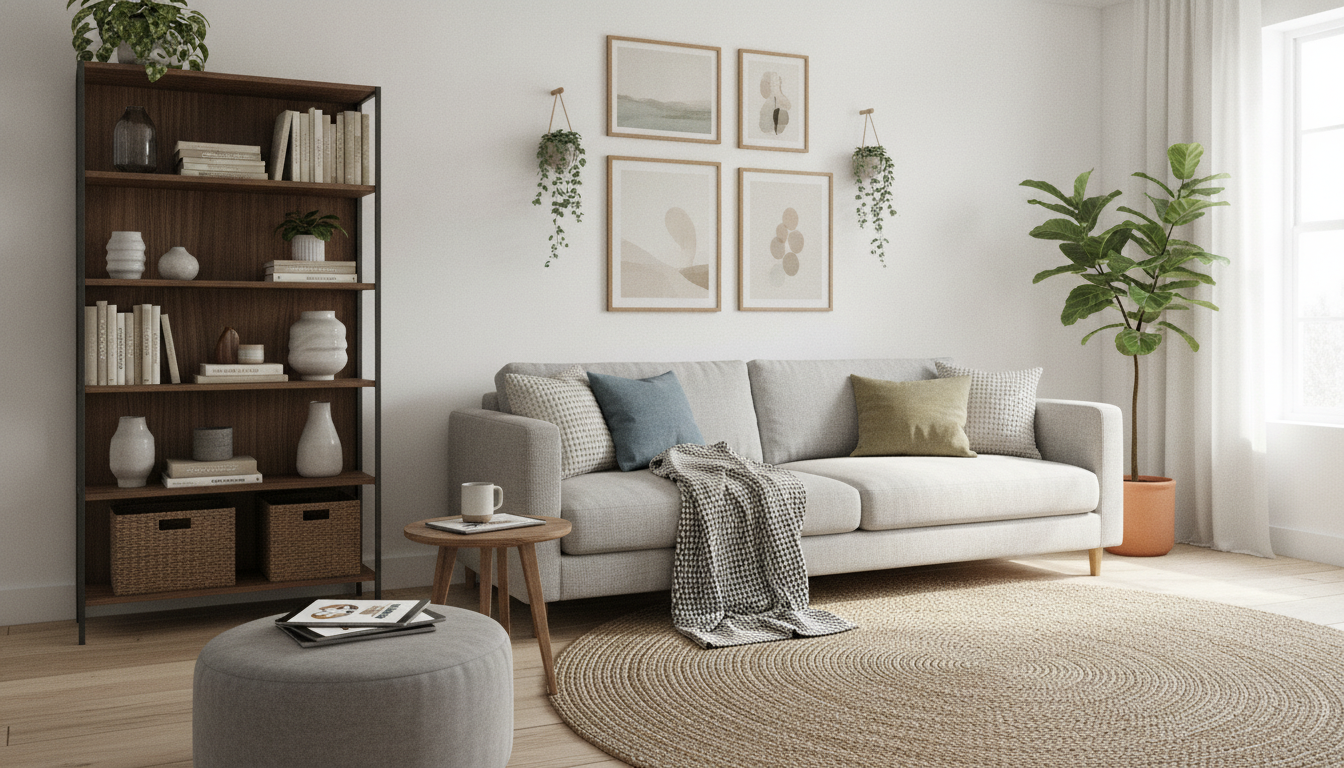
Start with one comfort-first room (usually the bedroom or living room), then set up daily-life stations like an entry drop zone and a charging spot. Add familiar sensory cues—warm lighting, a consistent scent, and soft textiles—and repeat one color or material thread across rooms so it feels cohesive faster.







Leave a comment