HomeBlogBlogSustainable Strength After 30: Joint-Friendly Weekly Plan

Sustainable Strength After 30: Joint-Friendly Weekly Plan

Sustainable Strength After 30: Joint-Friendly Weekly Plan

Stronger, Energized, and Moving Well After 30: A Practical Digital Guide for Sustainable Strength

Building strength and staying active after 30 works best with a plan that supports joints, energy, and consistency. Instead of bouncing between intense phases and long breaks, a sustainability-first approach focuses on repeatable movement habits, simple progressions, and recovery strategies that keep you feeling capable week after week.

Why movement after 30 needs a sustainability-first approach

After 30, results are still absolutely on the table—but the “inputs” that drive progress are broader than the workout itself. Recovery, sleep quality, stress load, and daily activity levels can influence strength gains and body composition as much as what happens in the gym.

  • Recovery is a training variable: Poor sleep and high stress can make normal sessions feel harder and increase soreness.
  • Joint-friendly training keeps momentum: Smart exercise selection, mobility work, and controlled tempos help you stay consistent when life gets busy.
  • Consistency beats intensity: Small weekly progressions compound into long-term strength, especially when they’re repeatable.
  • Energy management matters: Hydration, nutrition timing, and real rest days can make training feel easier and more sustainable.

For reference, public health guidelines consistently emphasize regular activity and strength work as foundational for long-term health (see CDC physical activity basics and the WHO physical activity recommendations).

What this digital guide is designed to help with

The goal isn’t to “crush” every session—it’s to build a routine that fits real adult life and still moves you forward.

  • Create a realistic routine that works with work schedules, family obligations, and travel.
  • Improve strength, mobility, and movement quality without needing advanced equipment.
  • Reduce the cycle of “start hard, stop for weeks” with a repeatable weekly structure.
  • Build confidence around form, pacing, and gradual progression.

If you want a structured approach you can run without overthinking, explore the Stronger, Energized, and Moving Well After 30 | Digital Guide for an Active Lifestyle After 30 | Sustainable Movement & Long-Term Strength.

Who it’s for (and who may need extra support)

  • Great fit: beginners returning to training, busy adults who want a plan, and anyone prioritizing longevity.
  • Also useful: active people who still feel stiff, low-energy, or inconsistent despite trying different programs.
  • Extra support recommended: persistent pain, recent surgery, or complex medical conditions—coordinate with a clinician or qualified coach.

Core principles for long-term strength and better movement

Sustainable strength comes from mastering basics and repeating them long enough to see compounding returns.

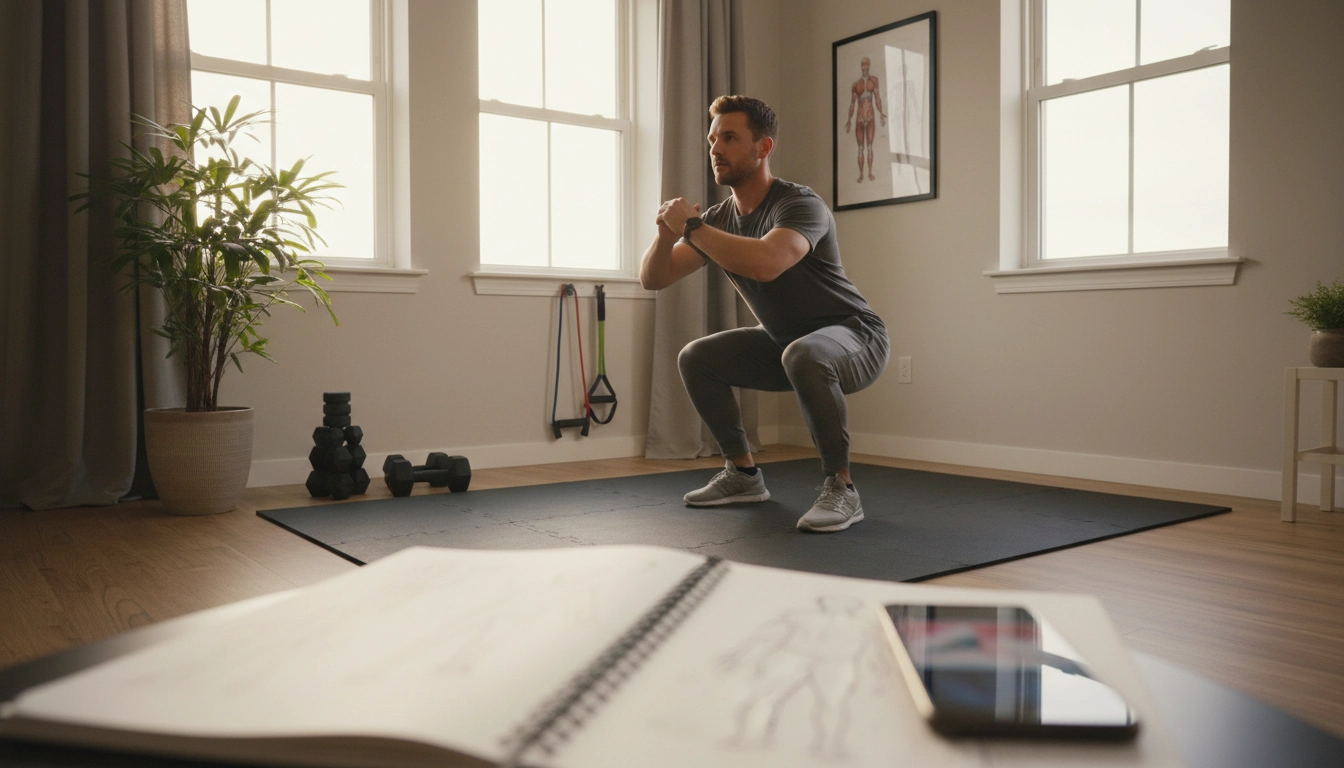
  • Train movement patterns: squat, hinge, push, pull, carry, and rotate rather than chasing random exercises.
  • Live in low-to-moderate volume most weeks: add intensity in small, planned doses.
  • Pair strength with mobility and walking: support joints, posture, and daily energy.
  • Use “minimum effective dose” sessions: during stressful weeks, keep the habit alive instead of disappearing.
  • Track simple markers: reps, load, weekly steps, sleep hours, and soreness trends.

A simple weekly structure that stays doable

A good template leaves room for real life. Aim for 2–4 strength sessions per week, add low-intensity movement days, and keep mobility easy and frequent.

Example 7-day movement menu (mix-and-match)

Day Focus Time Notes
Mon Strength A (full body) 30–45 min Moderate effort; stop 1–2 reps before failure
Tue Walk + mobility 20–40 min Nasal breathing pace; gentle hips/ankles/upper back
Wed Strength B (full body) 30–45 min Hinge + pull emphasis; keep form crisp
Thu Optional easy cardio 15–30 min Zone 2 effort; should be conversational
Fri Strength C (optional) 20–40 min Shorter session: core + carries + accessories
Sat Active leisure 30–90 min Hike, sport, long walk; keep it enjoyable
Sun Recovery 10–20 min Light mobility, hydration, early bedtime focus

If daily steps are part of your plan, comfortable, supportive shoes can make a bigger difference than people expect—especially for walking sessions and active weekends. One option to consider is the New Balance BBW550 Pink Sneakers.

Progression without burnout: how to get stronger steadily

Progression doesn’t need to be dramatic to be effective. The goal is to build strength while keeping joints calm and energy stable.

  • Use small increases: add 1–2 reps, a small weight jump, or one extra set when recovery is good.
  • Rotate “build” and “easier” weeks: planned lower-stress weeks reduce fatigue and help you stay consistent.
  • Lead with technique: controlled tempo, stable trunk, and pain-free range of motion keep training productive.
  • When energy is low: reduce volume before you reduce frequency—keep showing up, just do less.

Energy and recovery basics that make training feel easier

Common pitfalls (and better alternatives)

How to use the guide for best results over the next 4–8 weeks

Recommended picks from the store

FAQ

Is this guide suitable for beginners who haven’t trained in years?

Yes. It’s designed to work well for newer and returning trainees by starting with lower volume, focusing on form, and progressing gradually; if you have health concerns, consider getting medical clearance first.

How much time per week is enough to see progress?

Most people do well with 2–4 strength sessions per week plus regular walking and short mobility work. Consistency and recovery usually matter more than long workouts.

Can the routine be adapted for sore joints or limited mobility?

Often, yes—by adjusting range of motion, slowing tempo, using lighter loads, and swapping in joint-friendlier variations. If pain is persistent or sharp, get help from a qualified clinician or coach.


Was this article helpful?

Yes No
Leave a comment
Top

Shopping cart

×