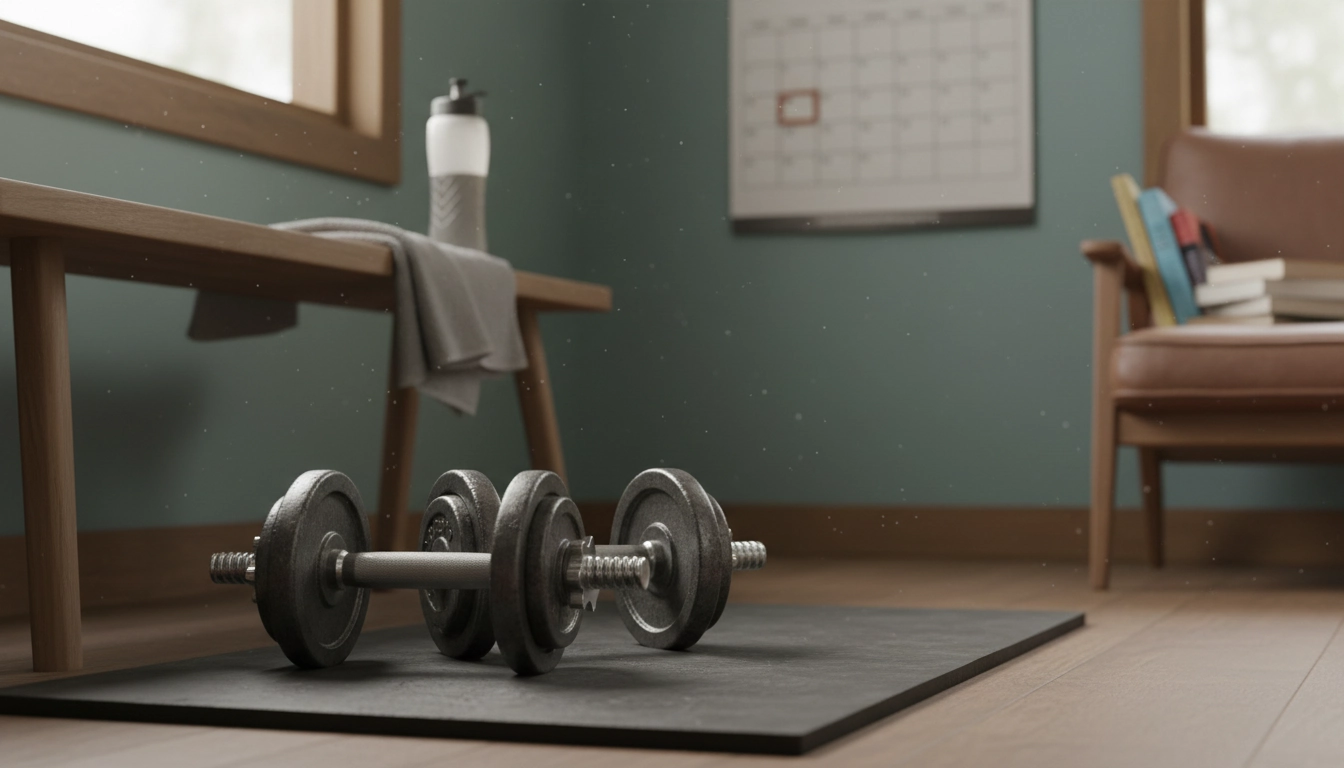
For most adults over 30, the sweet spot is 2–4 strength training days per week. Two full-body sessions can build strength reliably, while three to four days helps you progress faster—without tipping into that “dragging all week” feeling—if recovery is supported.
A simple way to choose your number: if you’re sleeping well, your joints feel normal, and your lifts are slowly improving, you can handle the higher end. If you’re constantly sore, irritable, or your performance is flat, drop back to two or three days and focus on quality.
2 days/week (minimum effective dose): Two full-body sessions with big movement patterns (squat/hinge/push/pull/carry). This works well if life stress is high or you’re returning after time off.
3 days/week (best balance for many): Full-body sessions on non-consecutive days (like Mon/Wed/Fri). You get frequent practice, enough volume to grow stronger, and built-in recovery.
4 days/week (higher progress, higher recovery needs): Upper/lower split or full-body “A/B” workouts. Keep at least one rest day between hard lower-body sessions, and avoid turning every workout into a max-effort grind.
Keep 1–3 reps in reserve on most sets, prioritize great form, and limit all-out attempts to occasional test weeks. Pair training with consistent sleep and protein, and treat walking, mobility, and light cardio as recovery tools—not extra punishment.
For a joint-friendly weekly plan that maps this out clearly, see the full guide here: sustainable strength after 30 weekly plan.
For Strength Training After 30: 2–4 Days Without Burnout, the best answer depends on fit, material, care instructions, and how the product will be used day to day.
Most people do well with 35–60 minutes. If you can hit your main lifts, a few accessory moves, and leave with energy, it’s long enough.







Leave a comment