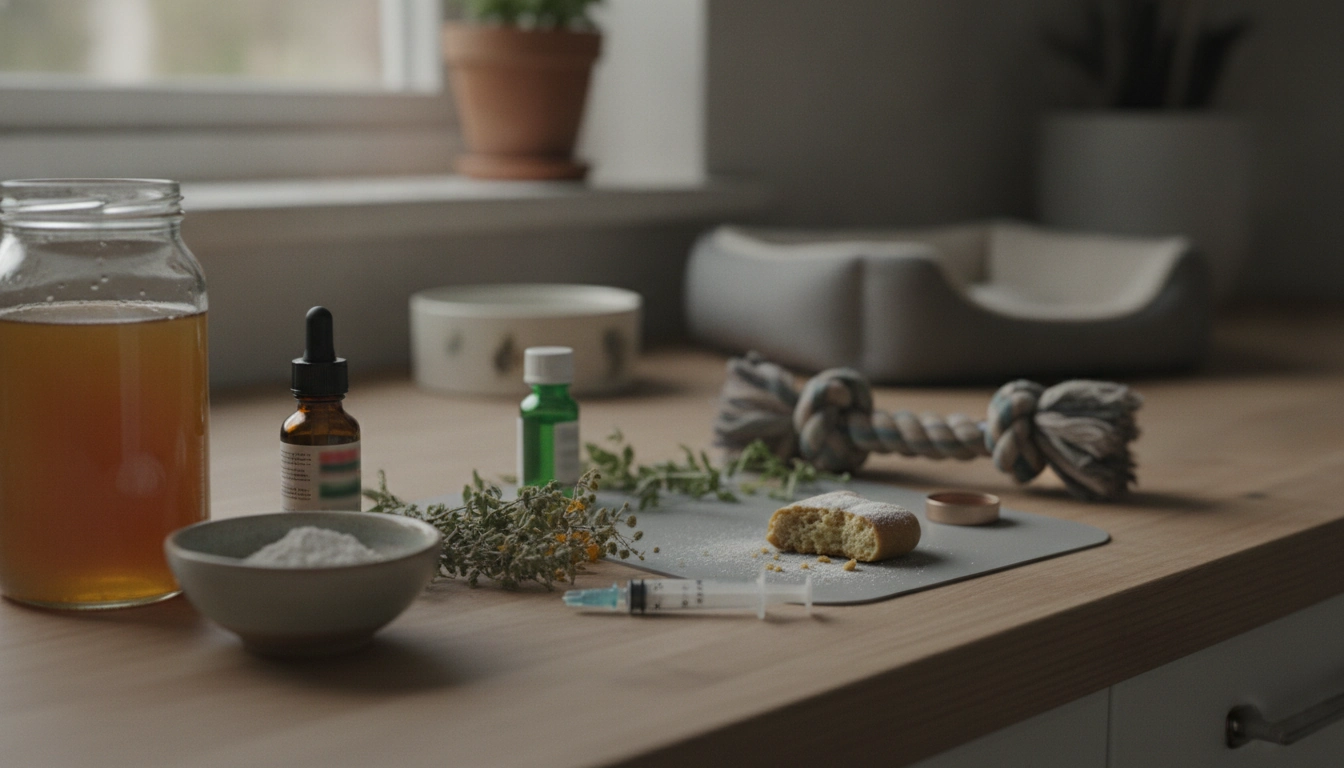
Yeast (most often Malassezia) thrives on warm, moist skin and in ears—especially when allergies, humidity, or excess skin oil tip the balance. What “kills” yeast in dogs typically falls into two buckets: veterinary antifungal medications that directly eliminate yeast, and supportive steps that remove the conditions yeast needs to overgrow.
The most reliable yeast-killers are prescription antifungals. For skin infections, vets commonly use topical options (like medicated shampoos, wipes, or mousses) and, for more severe or widespread cases, oral antifungals. Topical products often include ingredients such as miconazole or ketoconazole, while oral medications may be used when yeast is deep, persistent, or covering large areas. These treatments work by damaging the yeast’s cell membrane so it can’t survive.
For many dogs, especially those with recurrent skin or paw issues, antifungal shampoos and wipes can quickly lower the yeast population on the surface. They’re most effective when used exactly as directed (including required “contact time” before rinsing) and paired with thorough drying—because damp fur and skin folds can restart the problem.
Yeasty ears often require a vet-approved ear cleaner plus prescription ear drops that combine an antifungal with anti-inflammatory medication. It’s important not to put random liquids in the ear canal; the wrong product can worsen irritation or mask a ruptured eardrum.
Killing yeast is only half the job. Allergies (food or environmental), hormonal conditions, and chronic moisture can keep feeding flare-ups. Regular grooming, drying paws and skin folds, and getting an accurate diagnosis from a veterinarian can shorten treatment time and reduce recurrence.
For a deeper breakdown of effective options and what to avoid, see https://classicalle.com/what-kills-yeast-in-dogs/.
Common signs include a musty or “corn chip” odor, greasy skin, redness, itchiness, dark ear debris, and frequent licking of paws. A vet can confirm yeast by examining skin or ear samples under a microscope.





Leave a comment