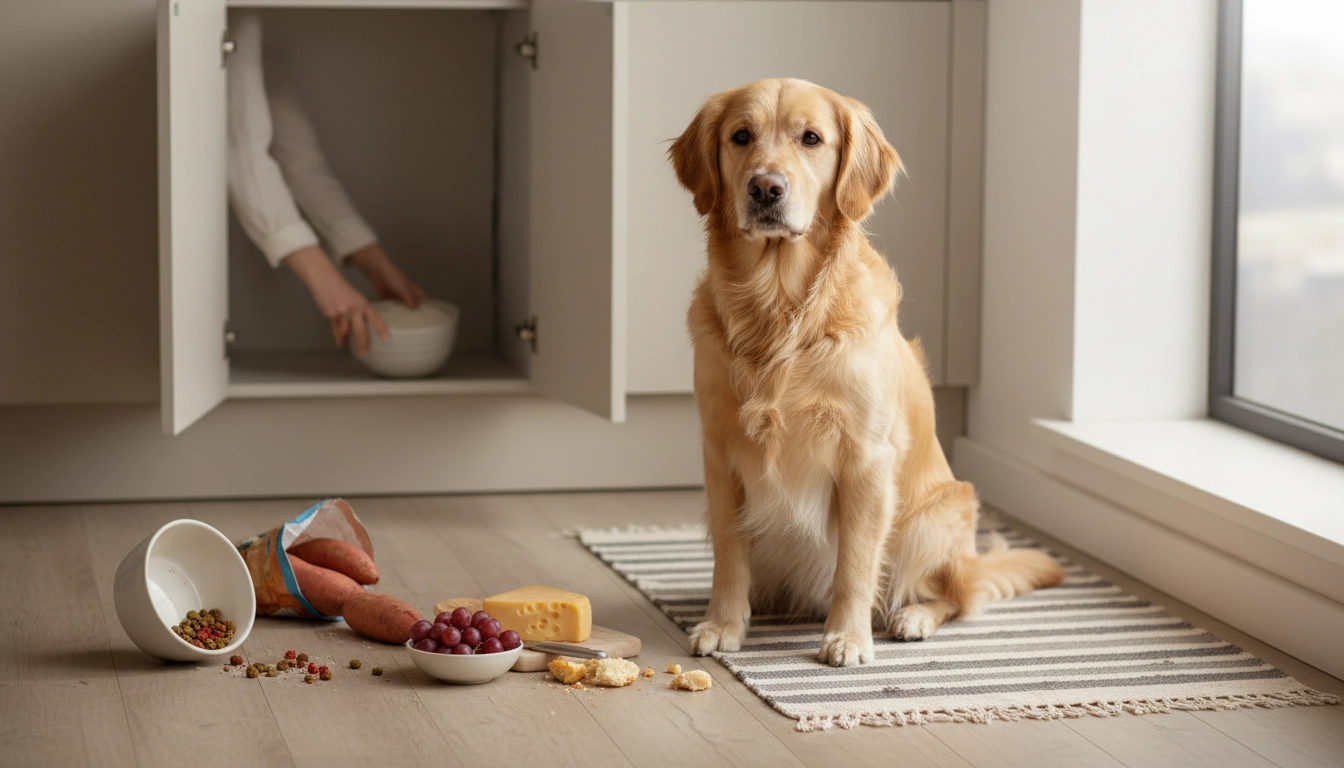
Food doesn’t “put yeast” in a dog’s ears, but certain ingredients can make ear yeast overgrowth more likely by fueling inflammation, increasing itchiness, and changing the skin and ear canal environment. The most common dietary triggers tend to be foods that a dog is sensitive or allergic to, plus diets that are heavy in sugars and refined carbohydrates.
For many dogs, recurring ear yeast problems trace back to a food sensitivity. Common culprits include beef, chicken, dairy, eggs, wheat, soy, and sometimes fish. If a dog’s immune system reacts to one of these proteins, the result can be chronic ear irritation, more wax and debris, and a warm, inflamed ear canal where yeast thrives.
Yeast uses sugars for energy, so diets packed with sugary treats, sweetened snacks, or lots of simple carbs may make flares harder to control. Table scraps like bread, pasta, desserts, and processed foods can also contribute to overall inflammation and skin imbalance, especially in dogs already prone to ear problems.
Some dogs do poorly on ultra-processed diets with many additives, artificial flavorings, or lower-quality fats. While additives don’t directly “cause” yeast, they may aggravate sensitive dogs, leading to more itching and ear scratching—both of which can set the stage for yeast overgrowth.
A veterinarian can help confirm whether diet is a factor, often with a structured elimination diet using a novel protein or hydrolyzed food for 8–12 weeks. If you want a deeper breakdown of dietary triggers and practical next steps, see the full guide here: https://classicalle.com/what-foods-cause-yeast-infections-in-dogs-ears/.
Food-related cases often come with ongoing itchiness, recurrent ear gunk, or flares that don’t fully resolve with cleaning alone. A vet-guided elimination diet is the most reliable way to confirm a dietary trigger.






Leave a comment