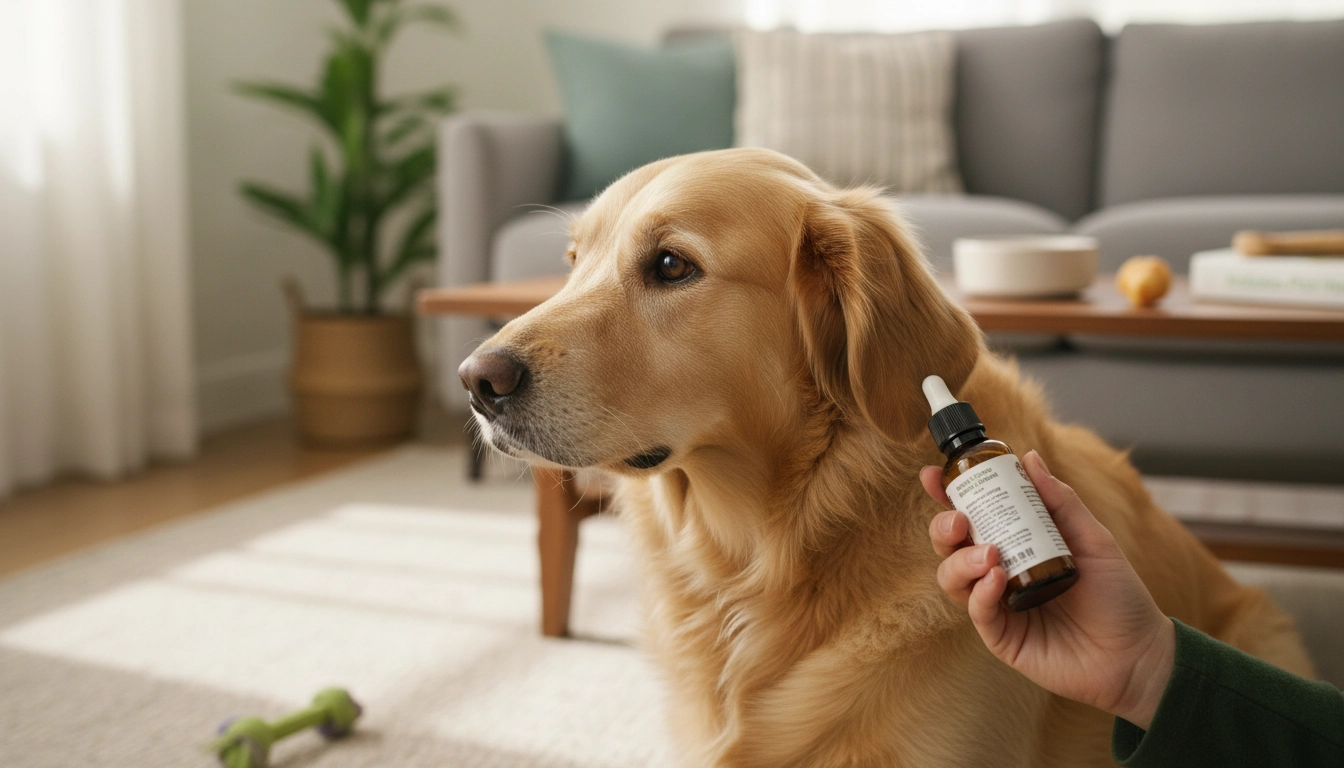
Some mild yeast flare-ups can improve with careful at-home care, but “curing” a yeast infection usually means fixing the underlying cause (allergies, moisture, skin barrier issues, or an ear problem). If your dog is in significant discomfort, has a strong odor, thick discharge, bleeding, head-shaking, or the problem keeps coming back, a vet visit is the safest path.
Common signs include a musty “corn chip” smell, greasy skin, redness, darkened skin, itching, and recurrent ear gunk. Because mites, bacteria, and ringworm can look similar, use home care only if symptoms are mild and your dog is otherwise acting normal.
Yeast thrives in warm, damp places. After baths, swims, or rain, dry skin folds, paws, armpits, and the groin thoroughly. Trim excess hair around problem spots if needed, and avoid leaving damp collars or harnesses on for long periods.
Over-the-counter pet shampoos containing ingredients like chlorhexidine and/or miconazole are commonly used for yeast-prone skin. Follow label directions and allow proper contact time before rinsing. For paws, short “paw soaks” with the diluted product can help, then dry well.
A balanced diet, omega-3s (if approved for your dog), and minimizing irritants (fragranced wipes, harsh soaps) can reduce flare-ups. If food or environmental allergies are suspected, addressing triggers often makes the biggest long-term difference.
If there’s ear pain, head tilt, open sores, pus, fever, or no improvement within 3–5 days, stop home treatment and get a diagnosis. Many dogs need prescription ear drops or oral antifungals.
For a more detailed, step-by-step guide and safety tips, see How do I cure my dog’s yeast infection at home?.
Typical signs include intense itching, red or darkened skin, a strong musty odor, greasy coat, and recurring ear debris or paw licking. Skin folds and paws are especially common hotspots.






Leave a comment