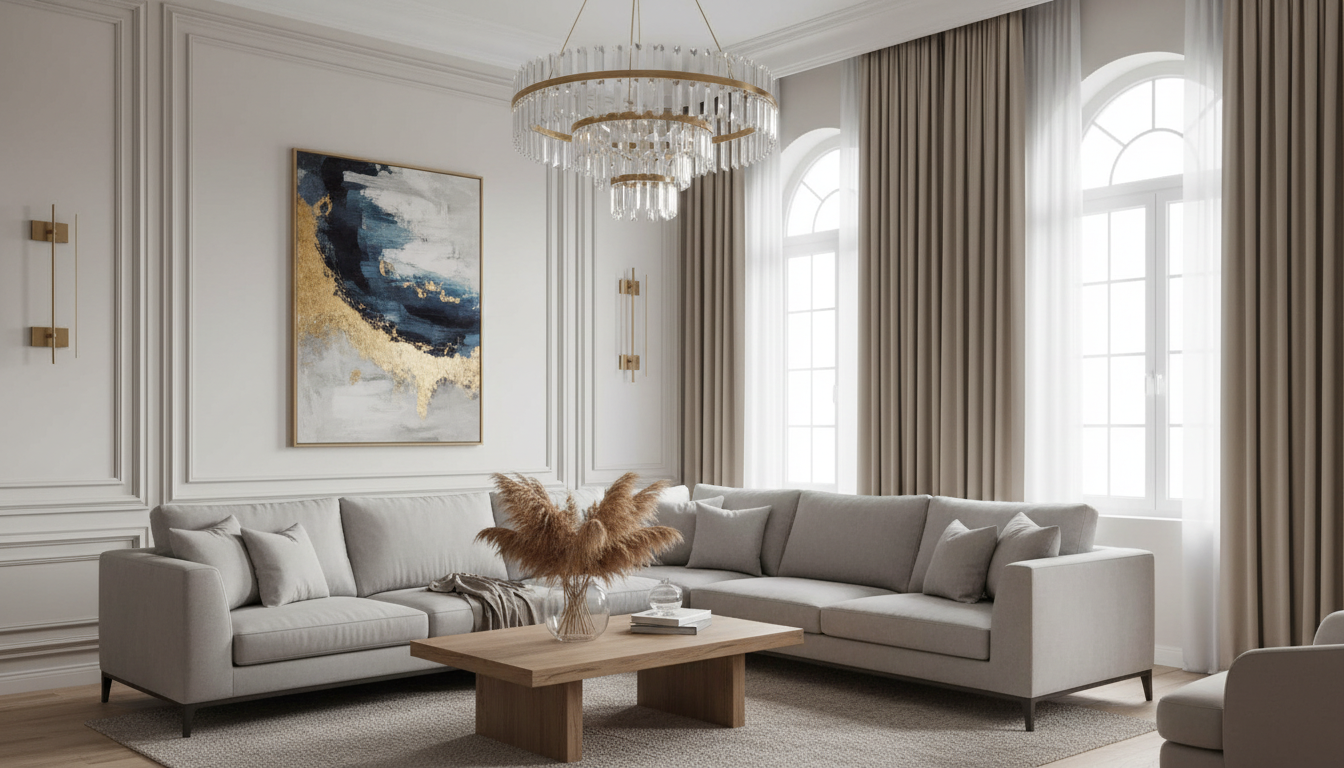
The golden rule of interior design is to create a space that feels balanced, intentional, and livable by building every choice around a clear purpose. When you start with how you want the room to function and feel, decisions about layout, furniture, lighting, color, and decor stop competing and begin working together. Our team uses this rule as a filter: if an item doesn’t support the room’s comfort, flow, or style story, it doesn’t earn a place—no matter how beautiful it is on its own.
Start with function: how you move through the room, where you sit, what you store, and what you need easy access to. Then elevate the function with cohesive finishes, layered lighting, and a consistent design direction. This is how you avoid the most common frustration—rooms that look “done” but don’t feel good to use.
1) Anchor the layout first. Choose the room’s focal point (sofa grouping, bed wall, dining table) and keep pathways clear. A beautiful console doesn’t help if it blocks circulation.
2) Pick a style lane and repeat it. Whether you lean modern glam, classic, or minimal, repeat a few key cues—curves, metals, wood tones, or silhouettes—so the room reads as one story rather than a collage.
3) Control the color and finish count. Limit big finishes (wood tone, metal tone, upholstery) and repeat them across the room. This creates calm and makes statement pieces feel deliberate.
4) Layer lighting like a toolkit. Use ambient light for overall glow, task light for function, and accent light for mood. When lighting supports how you live, the room automatically looks more refined.
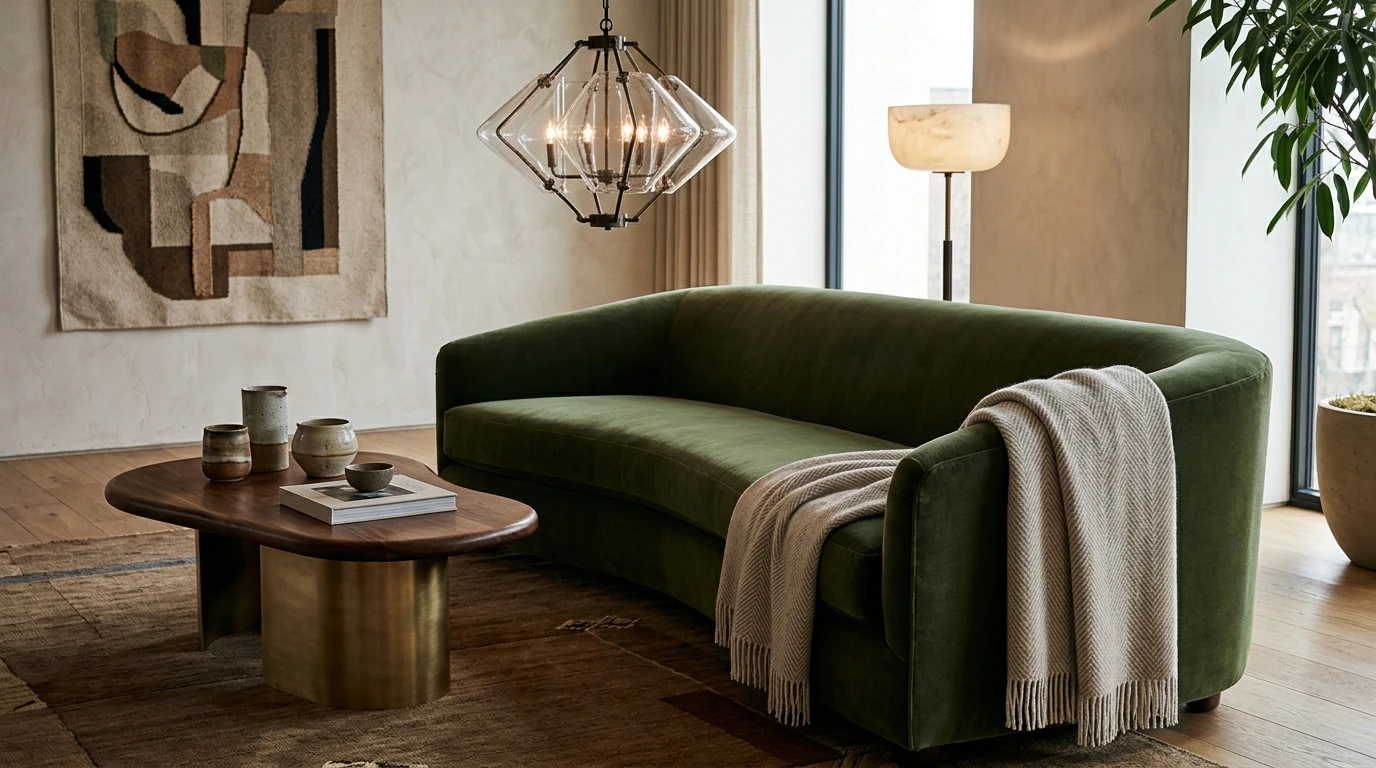
5) Edit, then add one “wow.” A room becomes luxurious when it’s not overcrowded. Leave breathing room, then invest in one standout piece—an oversized mirror, sculptural chandelier, or tailored seating—that reinforces the plan.
If you want a step-by-step framework our team follows, use our complete guide here: Luxury Interior Design Checklist: Modern Glam to Minimal.
Start with one anchor color you love, then add one or two supporting neutrals and one accent. Repeat those tones across textiles, art, and decor so each room feels connected without matching exactly.



Leave a comment