Luxury Home Interior Design Ideas Checklist for Elegant Living
Luxury interiors feel intentional: a clear point of view, elevated materials, and a calm visual hierarchy that makes everyday living look polished. This guide organizes luxury design into a practical checklist—covering modern glam, classic elegance, art deco, and contemporary minimalism—so each room gains warmth, balance, and a high-end finish without feeling overdone. For more guidance, see 3.
What “luxury” looks like at home (beyond expensive decor)
Luxury is less about filling a space with pricey objects and more about making confident, consistent decisions that hold up over time. The most elevated homes share a few fundamentals: For further reading, see 333333 23135851162 the 13151942776 of 12997637966.
- Cohesive story: one guiding style direction, repeated shapes, and a consistent metal/wood tone family.
- High-touch materials: real wood veneers, stone, wool, linen, leather, and quality hardware that feels substantial.
- Proportion and breathing room: fewer, larger statement pieces instead of many small items.
- Layered lighting: ambient + task + accent lighting on dimmers to control mood and highlight texture.
- Quiet order: concealed storage, edited surfaces, and a few intentional focal points (art, fireplace, statement light).
For visual benchmarks and designer-level detailing ideas, browse editorial room tours at Architectural Digest’s interior design section.
Choose a luxury direction: modern glam, classic elegance, art deco, or contemporary minimalism
Picking a “lane” makes the home feel curated, not chaotic. Use these quick definitions to decide what you’re building toward:
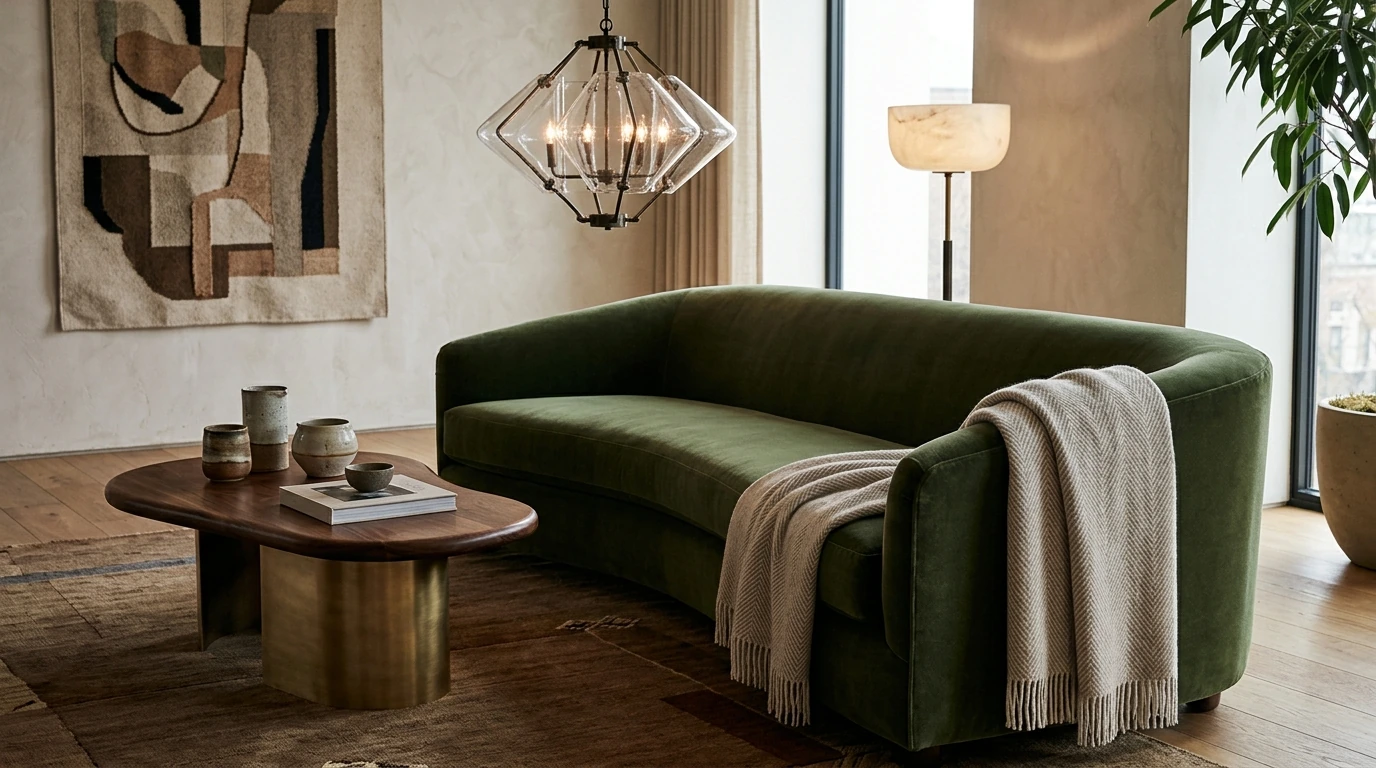
- Modern glam: reflective finishes, plush textiles, curved silhouettes, and high-contrast palettes (black/white with metallics).
- Classic elegance: symmetry, tailored furniture, refined neutrals, traditional profiles, and timeless patterns (stripe, damask-inspired).
- Art deco: geometric repetition, bold outlines, lacquered accents, jewel tones, and statement lighting with sculptural forms.
- Contemporary minimalism: warm minimal palettes, strong negative space, hidden storage, and a focus on texture over ornament.
- Unify with a “three-material rule”: pick a primary (wood/stone), a secondary (metal), and a softening layer (textile) to repeat throughout.
Style snapshot: fast decisions for a cohesive luxury look
| Style |
Palette |
Signature materials |
Best statement pieces |
| Modern glam |
High contrast + metallics |
Velvet, brass/chrome, mirrored or lacquer accents |
Chandelier, curved sofa, bold art |
| Classic elegance |
Soft neutrals + warm woods |
Linen, walnut/oak, marble accents |
Fireplace mantle styling, tailored seating |
| Art deco |
Jewel tones + black accents |
Lacquer, brass, patterned stone, geometric inlays |
Graphic rug, sculptural lighting, bar cart |
| Contemporary minimalism |
Warm whites + earth tones |
Natural stone, matte metals, bouclé/wool |
Oversized art, monolithic coffee table |
For a deeper look at the movement and motifs behind deco-era glamour, see The Metropolitan Museum of Art’s Art Deco overview.
The luxury checklist: foundations that elevate every room
- Color strategy: stick to 3–5 core colors, then repeat them in multiple rooms for flow.
- Scale: choose at least one oversized element per room (rug, art, mirror, or light) to avoid a “small pieces” feel.
- Texture layering: combine a smooth surface (stone/glass), a matte surface (plaster/wood), and a soft surface (wool/linen).
- Window treatments: mount curtains high and wide; prioritize full-length panels and quality hardware for an instant upgrade.
- Hardware and finishes: limit to 1–2 metal finishes across the home; upgrade handles, pulls, and switch plates where possible.
- Art placement: hang art at eye level; go larger than expected; use proper lighting (picture light or adjustable spots).
Lighting is a luxury multiplier when it’s comfortable and controlled. For practical guidance on glare and better nighttime ambiance, reference the International Dark-Sky Association’s lighting principles and apply the spirit of it indoors: shield harsh bulbs, add dimmers, and layer sources.
Room-by-room luxury moves (quick wins + signature upgrades)
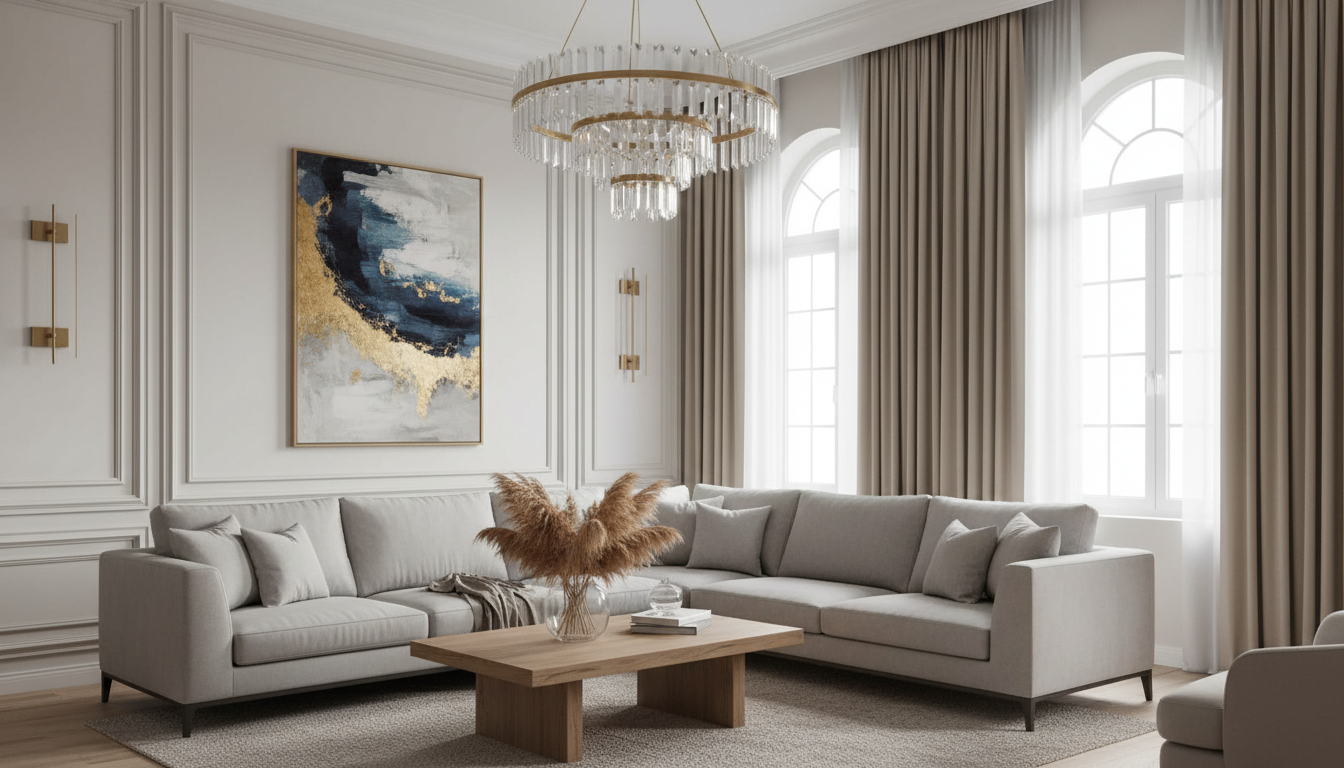
- Living room: anchor with a large rug; add a statement light; use two different seating silhouettes (sofa + accent chairs) for depth.
- Dining: prioritize a sculptural pendant centered over the table; choose upholstered dining chairs or mixed materials for comfort and polish.
- Bedroom: layered bedding (duvet + coverlet + textured throw); matching bedside lamps; add an upholstered headboard or wall panel detail.
- Entry: a console with a large mirror/art above; a tray for keys; one striking object (sculpture/vase) to set the tone.
- Kitchen: consistent cabinet hardware; under-cabinet lighting; display a small, curated vignette rather than many countertop items.
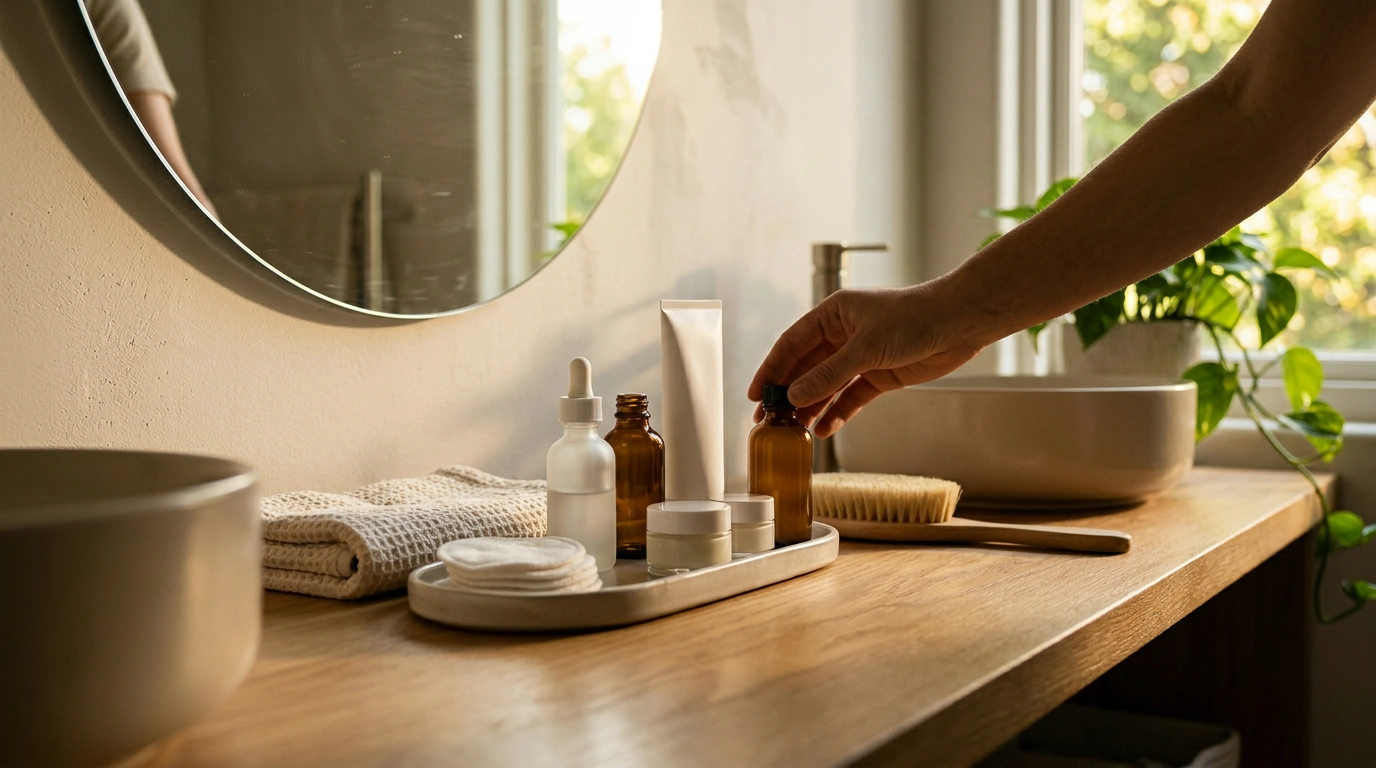
- Bath: upgrade towels and bathmat quality; add a framed mirror or better lighting; keep surfaces minimal with matching containers.
Modern glam, classic, art deco, minimalism: styling formulas that don’t feel cluttered
A practical plan: build a luxury look on a realistic budget
Downloadable checklist: a step-by-step guide for elegant living
If a clear sequence would help—style direction first, then materials and lighting, then room upgrades—use the Luxury Home Interior Design Ideas Checklist (Digital Download) to map decisions room by room and track progress as you go.
For a complementary mindset tool that supports better choices (and fewer “almost right” purchases), pair it with Discover Your Strengths in the Age of Smart Tools (Digital eBook)—especially helpful when defining what “luxury” means personally and how the home should function day to day.
FAQ
What is the 3-5-7 rule in interior design?
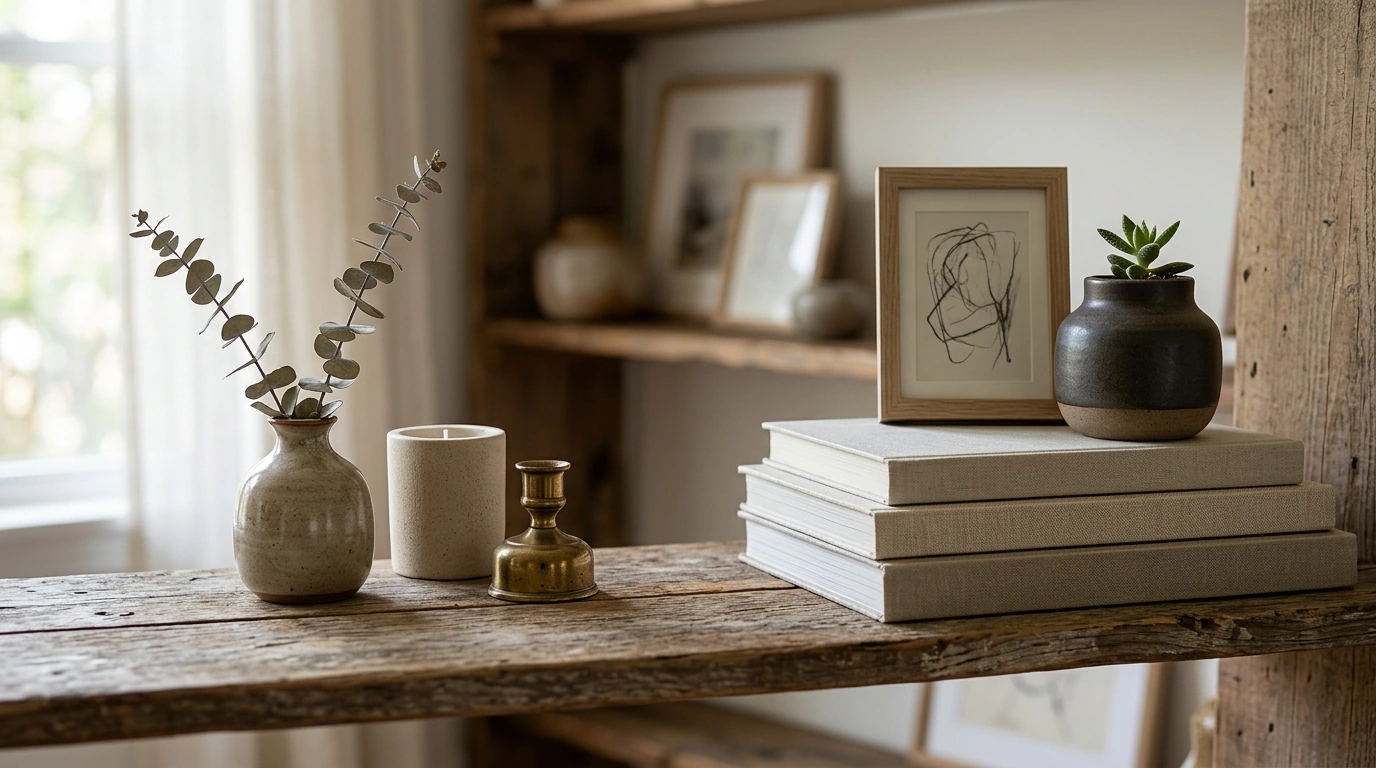
It’s a simple way to create balanced rhythm by styling in odd-number groupings and limiting dominant elements: try 3 objects on a tray, 5 frames in a gallery cluster, or 7 pieces across a long shelf. Keep negative space around the grouping so it reads intentional and elevated rather than crowded.
What makes a living room look luxury?
Luxury comes from scale (a larger rug and art), layered lighting on dimmers, and a cohesive palette repeated across textiles and finishes. Edit down to fewer, higher-impact pieces, add full-length curtains hung high and wide, and keep surfaces curated with breathing room.
Recommended for you


Leave a comment