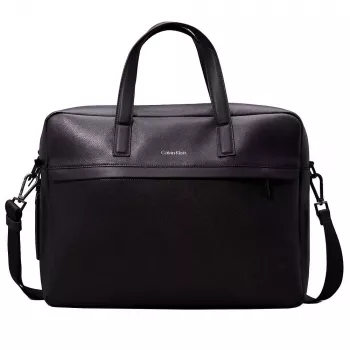
Calvin Klein is still considered a premium, mainstream fashion brand, but it isn’t universally “high end” in the luxury-house sense. The name covers a wide range of products and price points, so the experience can feel different depending on what you buy and where you buy it.
In everyday shopping terms, Calvin Klein sits above mass-market labels thanks to its clean design language, brand recognition, and generally elevated presentation. However, it usually competes more with “premium contemporary” brands than with top-tier luxury houses known for artisanal production, limited distribution, and consistently high pricing.
Part of Calvin Klein’s mixed reputation comes from how broad the assortment is. Fragrances, underwear, and logo basics can be widely available and heavily promoted, which makes the brand feel more accessible than traditional luxury. At the same time, certain tailored pieces, outerwear, and select collections can look and feel more upscale—especially when materials and construction step up.
Instead of relying on the label alone, check the details that signal quality: fabric content (wool, cashmere blends, higher-grade cotton), lining and stitching, hardware, and fit. Also consider retail channel—items sold through flagship stores or higher-end retailers often feel more premium than those made for outlet-heavy distribution.
Calvin Klein can read as high end in styling and branding, but the reality is “premium” more than “luxury.” For a deeper breakdown of where the brand sits today, see the full guide here: https://classicalle.com/is-calvin-klein-still-high-end/.
For Is Calvin Klein High End or Just Premium Today?, the best answer depends on fit, material, care instructions, and how the product will be used day to day.
Look at other premium contemporary labels with clean, modern basics—brands that focus on minimal design, office-ready staples, and accessible pricing rather than runway-level luxury.



Leave a comment