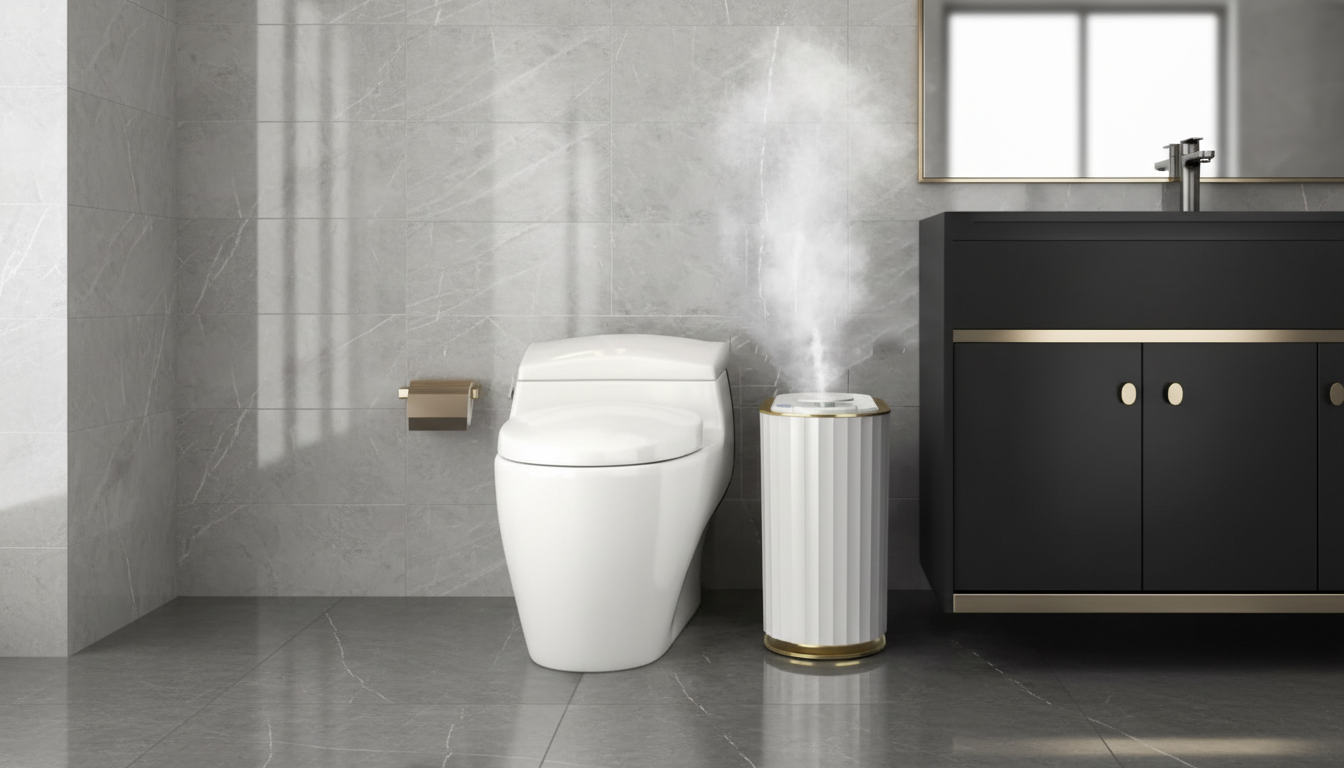
Sensor bins can be worth it when cleanliness, convenience, and reducing mess matter more than the slightly higher upfront cost. For busy kitchens, bathrooms, nurseries, and home offices, the biggest payoff is truly hands-free disposal—no lid touching after handling raw food packaging, sticky wrappers, or bathroom waste. That small change can make a noticeable difference in how often the outside of the can needs wiping down.
They’re also helpful for odor control and tidiness. A lid that closes promptly limits smells and makes the room look cleaner than an open-top can. If you cook frequently, have kids, or deal with allergy-sensitive households, minimizing contact points and airborne whiffs can feel like an upgrade you notice every day.
A sensor trash can earns its keep in high-traffic areas where hands are often full—scraping plates, holding a baby, or managing pet waste. They’re especially practical if the can lives in a tight spot (like between cabinets) where a foot pedal is awkward, or if you want a cleaner option for guests.
If you rarely use your kitchen bin, prefer ultra-simple gear, or don’t want to deal with batteries/charging, a good step can may be the better buy. Lower-end sensor bins can also be finicky if the sensor misfires, the lid seals poorly, or the rim design makes bag changes annoying.
For a deeper look at cleaning and upkeep—plus what to expect in daily use—read the full guide here: touchless sensor trash can guide.
For Are Sensor Bins Worth It? Pros, Cons, and Best Uses, the best answer depends on fit, material, care instructions, and how the product will be used day to day.
Most don’t. Many work with standard trash bags, but some models fit best with custom liners or specific rim designs, so it’s smart to check the can’s dimensions and recommended bag size before buying.




Leave a comment