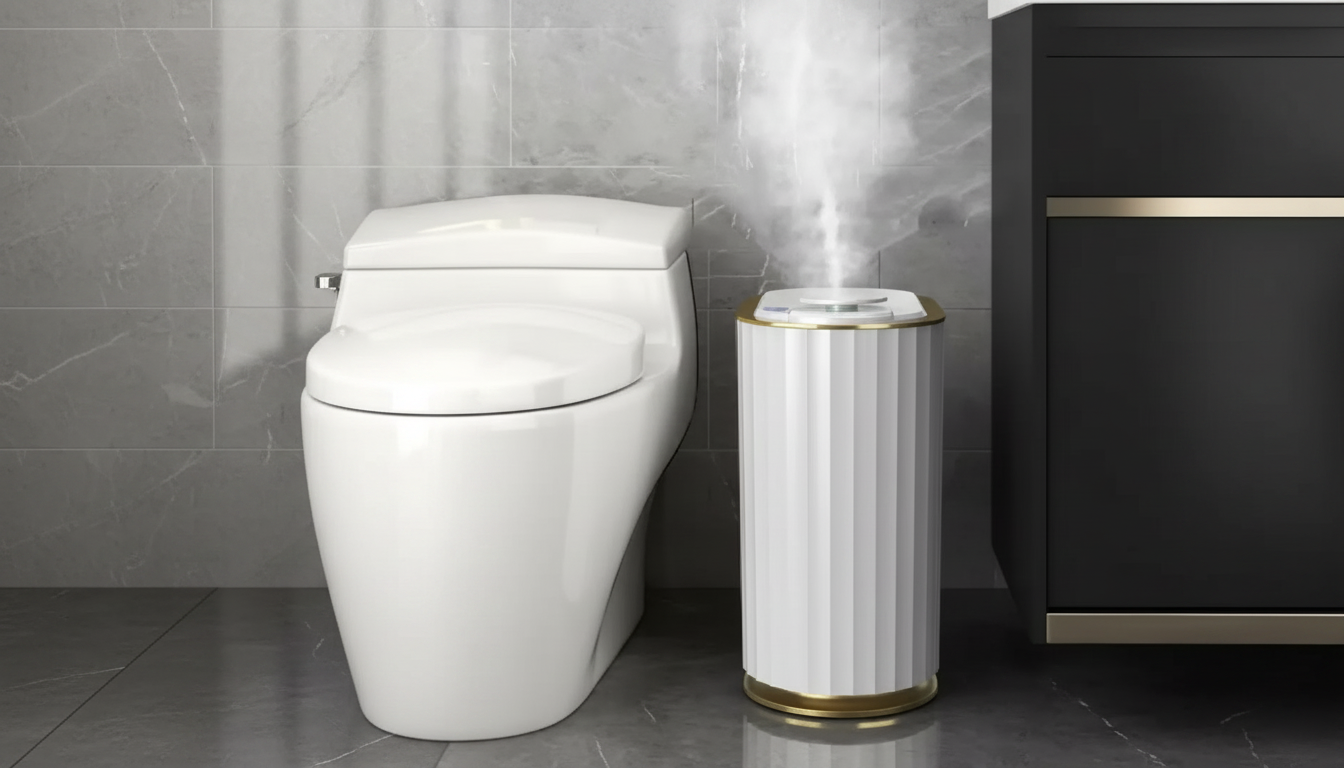
A touchless sensor trash can helps keep hands clean, reduces cross-contamination in busy spaces, and makes daily cleanup faster. This electric bin is designed for smooth, hands-free operation while supporting a more mindful, low-mess routine in kitchens, bathrooms, offices, and shared areas. For homes that juggle cooking, kids, pets, and constant tidying, a reliable sensor lid can feel like a small upgrade that pays off dozens of times a day.
Manual trash lids and step cans work, but they still tend to create “high-touch” moments—exactly when hands are messy or you’re moving quickly. A touchless sensor bin shifts the routine from “touch, open, toss, touch again” to a smoother, cleaner flow.
Good hand hygiene is still essential, but reducing unnecessary contact points can support better habits—especially during food prep and cleanup (see the CDC’s guidance on clean hands: CDC — Why Wash Your Hands).
Most sensor trash cans use a front-facing motion sensor and a small motorized hinge system. The goal is simple: open when you need it, close when you don’t—without you having to touch the lid.
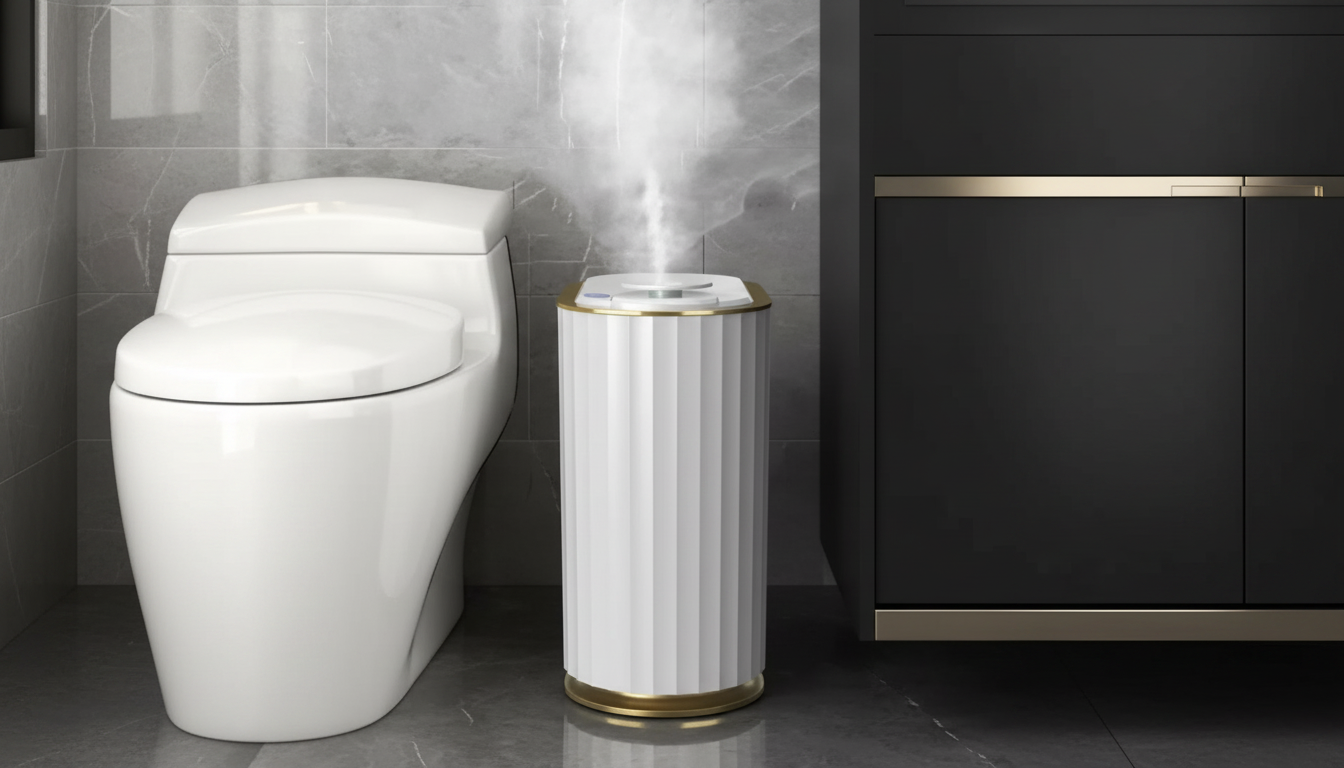
If you want a hands-free option designed for everyday use, consider the Smart Touchless Sensor Trash Can – Eco-Friendly Electric Garbage Bin, an electric bin built for quick disposal and a cleaner lid surface.
A touchless bin isn’t automatically “green,” but it can make lower-waste habits easier to stick to—especially when it helps prevent messes that lead to extra cleanup supplies. Pair it with a simple sorting setup, and it can support a more intentional routine.
For broader ways to reduce waste around the home—packaging, containers, and daily disposables—review practical steps from U.S. EPA — Reduce, Reuse, Recycle.
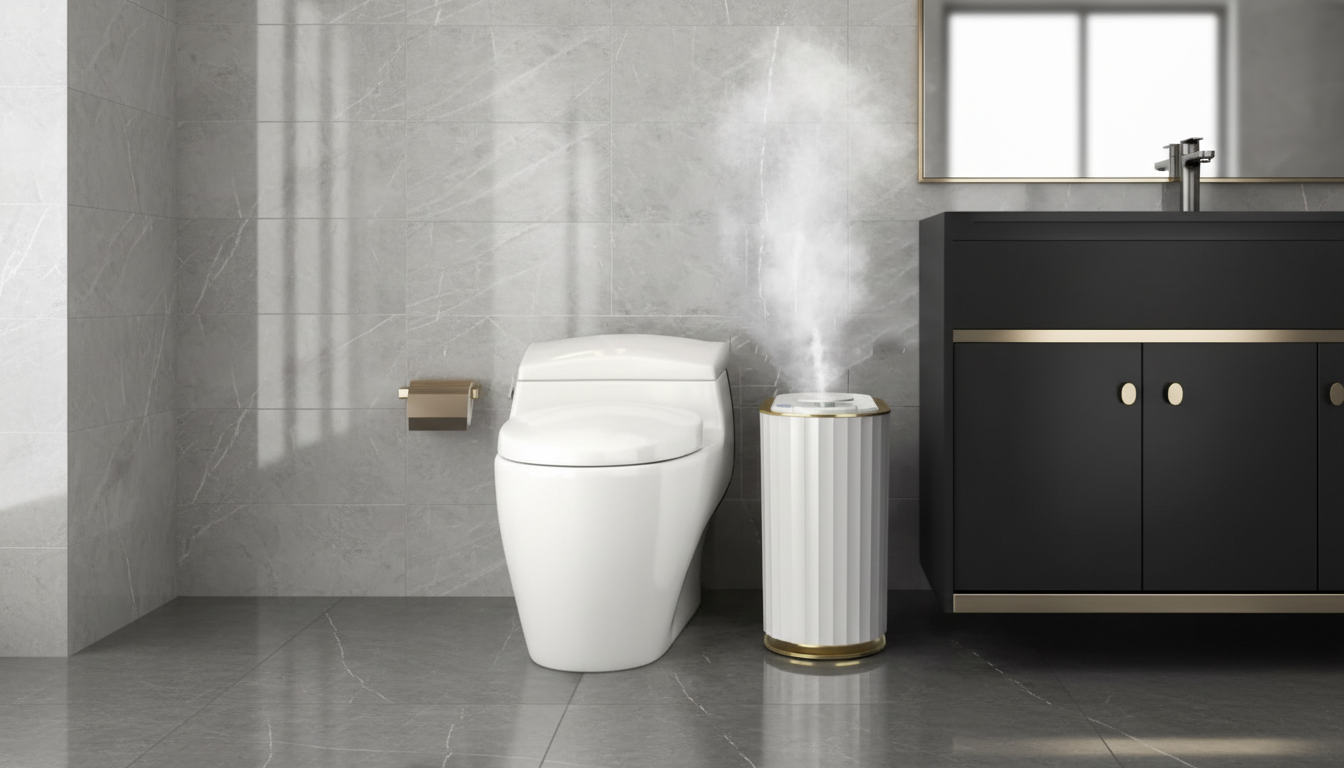
Placement is the difference between “effortless” and “annoying.” Sensor lids need a clear line-of-sight, and they work best where passing movement won’t trigger constant openings.
Beyond “opens automatically,” a good sensor bin should stay predictable: open when you want, close when it should, and avoid awkward bag changes. These checkpoints help set expectations before you buy and again during setup.
| What to check | Why it matters | Easy way to verify at home |
|---|---|---|
| Sensor trigger distance | Prevents accidental opening and battery drain | Place it where people pass by and confirm it doesn’t trigger constantly |
| Lid close timing | Balances convenience with odor control | Drop waste, step back, and confirm it closes reliably every time |
| Liner change access | Reduces mess and saves time | Test removing a full bag without scraping the rim |
| Cleaning access | Helps keep the sensor and lid area sanitary | Wipe the sensor window and rim; confirm no tight crevices trap residue |
| Power routine | Avoids unexpected downtime | Set a reminder to check batteries/charge on a predictable schedule |
Worthwhile for busy kitchens, shared bathrooms, families with kids, pet areas, and anyone focused on hygiene. The main benefits are reduced contact with germs, fewer smudges on lids, and faster disposal while cooking or cleaning.
Sensor bins can be a practical upgrade when they improve cleanliness and reduce mess, especially in high-traffic rooms. They’re most satisfying when placed to avoid accidental triggers and when the sensor area is kept clean.




Leave a comment