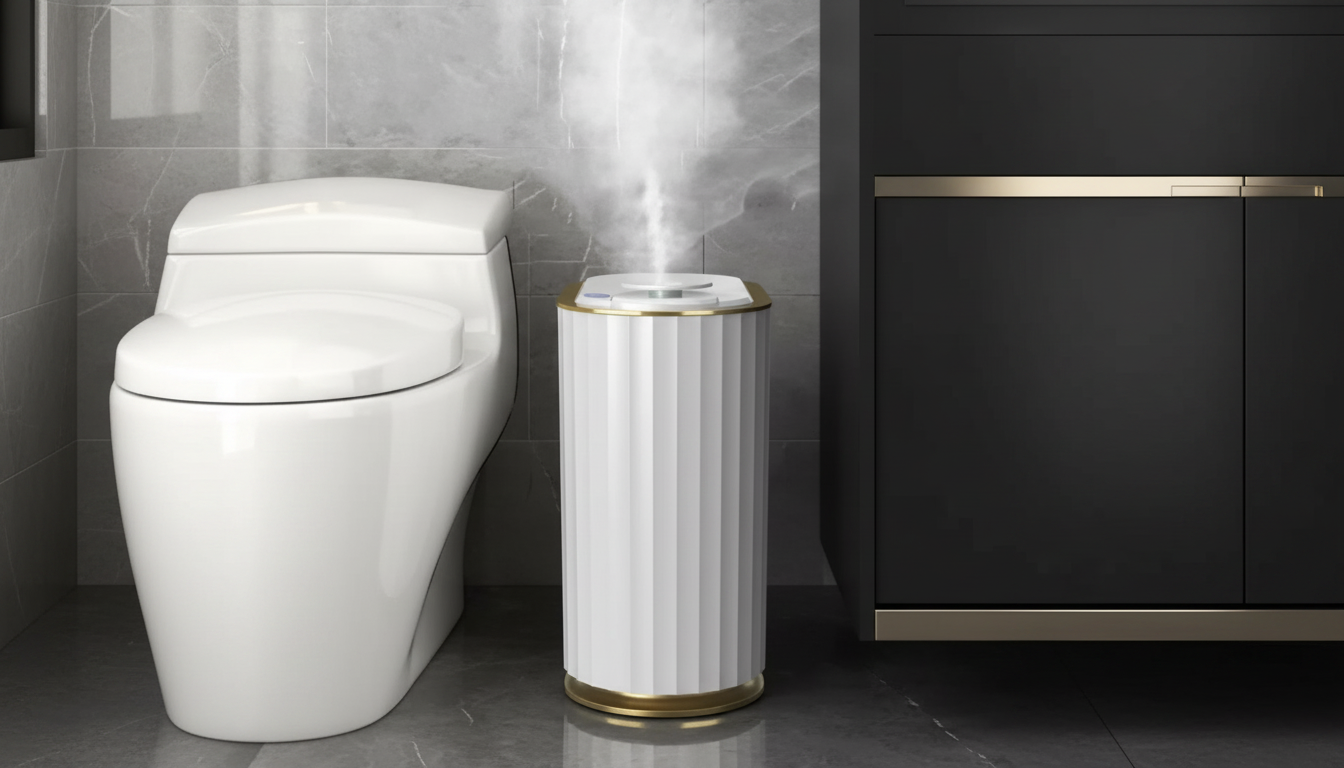
Touchless garbage cans are worth it for many homes because they reduce the most common pain points of daily trash: touching a dirty lid, spreading germs, and wrestling with messy hands while cooking. A motion sensor opens the lid automatically, so tossing scraps or packaging is faster and more hygienic—especially in busy kitchens, homes with kids, or households that handle raw meat and frequent food waste.
The biggest value shows up in cleanup. When the lid opens without contact, there’s less smearing on the top rim and fewer fingerprints on the finish. Many models also close on their own, helping contain odors and keeping curious pets from nosing into the bin. If the can includes a tight-sealing lid and a well-designed inner ring for the bag, it can also cut down on bag slippage and leaks that lead to extra floor wiping.
A touchless can tends to pay off when the trash is used dozens of times a day, when hands are often full, or when hygiene matters more than saving a little money up front. They’re also helpful in laundry rooms, garages, or home offices where quick, hands-free disposal keeps things moving.
The trade-offs are battery replacement/charging and occasional sensor quirks (like opening from nearby movement). Cheaper models may have weaker hinges, slower response, or lids that don’t seal well—so durability and odor control matter as much as “touchless” itself. Size is another factor: a can that’s too small fills quickly, while one that’s too large may dominate the space.
For a deeper look at choosing a sensor can that stays cleaner and minimizes mess, see this guide to touchless sensor trash cans for cleaner, low-mess homes.
Most touchless models need power to run the sensor, so they won’t operate hands-free without batteries or a rechargeable pack. Many still allow manual opening if the power is depleted.




Leave a comment