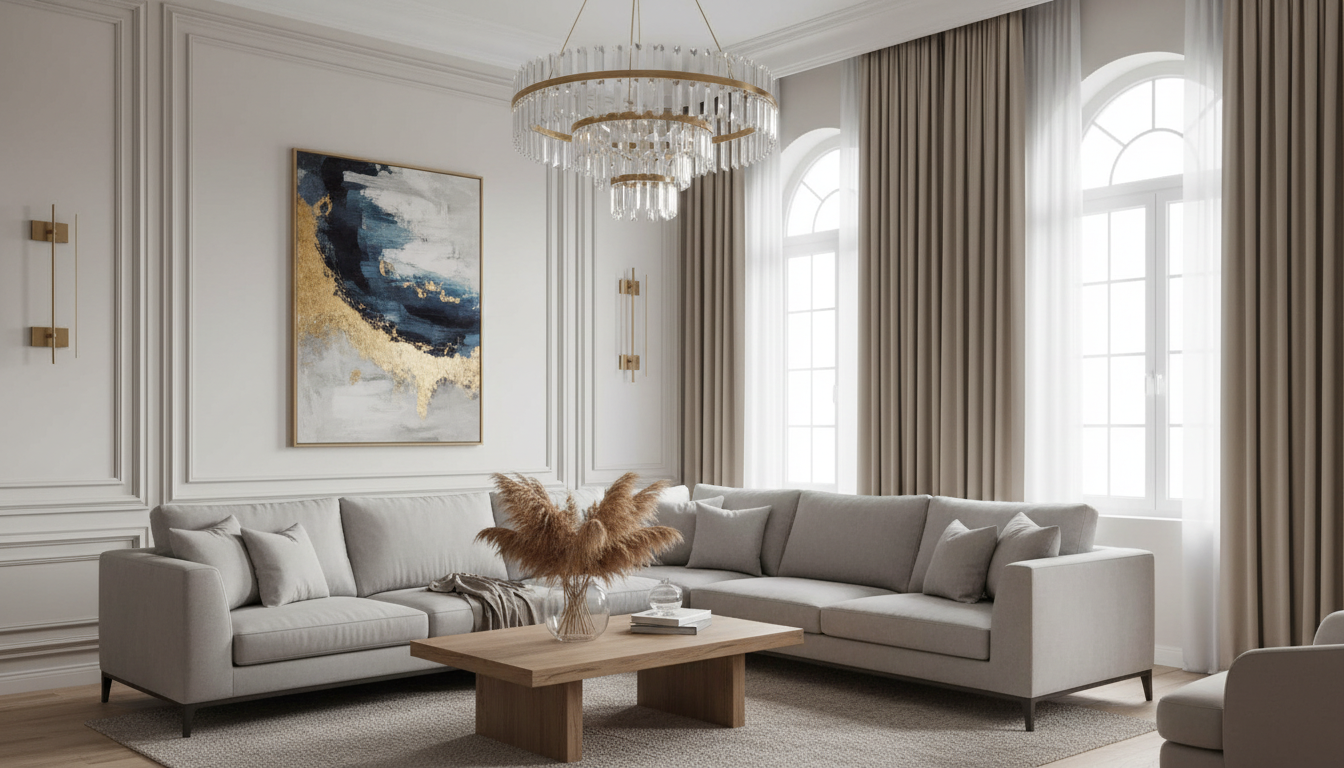
When you’re trying to pull a room together, it helps to work from a short, proven checklist instead of shopping randomly. Our team relies on seven core interior design basics that keep spaces feeling intentional, comfortable, and easy to live in—whether you’re leaning modern glam, warm transitional, or clean minimal.
Start with how you’ll move through the room. Map clear walkways, door swings, and furniture spacing so the layout supports real life (conversation, TV viewing, working, entertaining) before you choose decor.
Balance is how visual “weight” is distributed. You can use symmetrical balance (matching nightstands), asymmetrical balance (a sofa balanced by two accent chairs), or radial balance (seating arranged around a focal point) to keep the room from feeling lopsided.
Choose pieces that fit the room and each other. A common win: size your rug and lighting to the furniture (not the floor) so everything feels grounded—oversized art and properly scaled lamps often make the biggest impact.
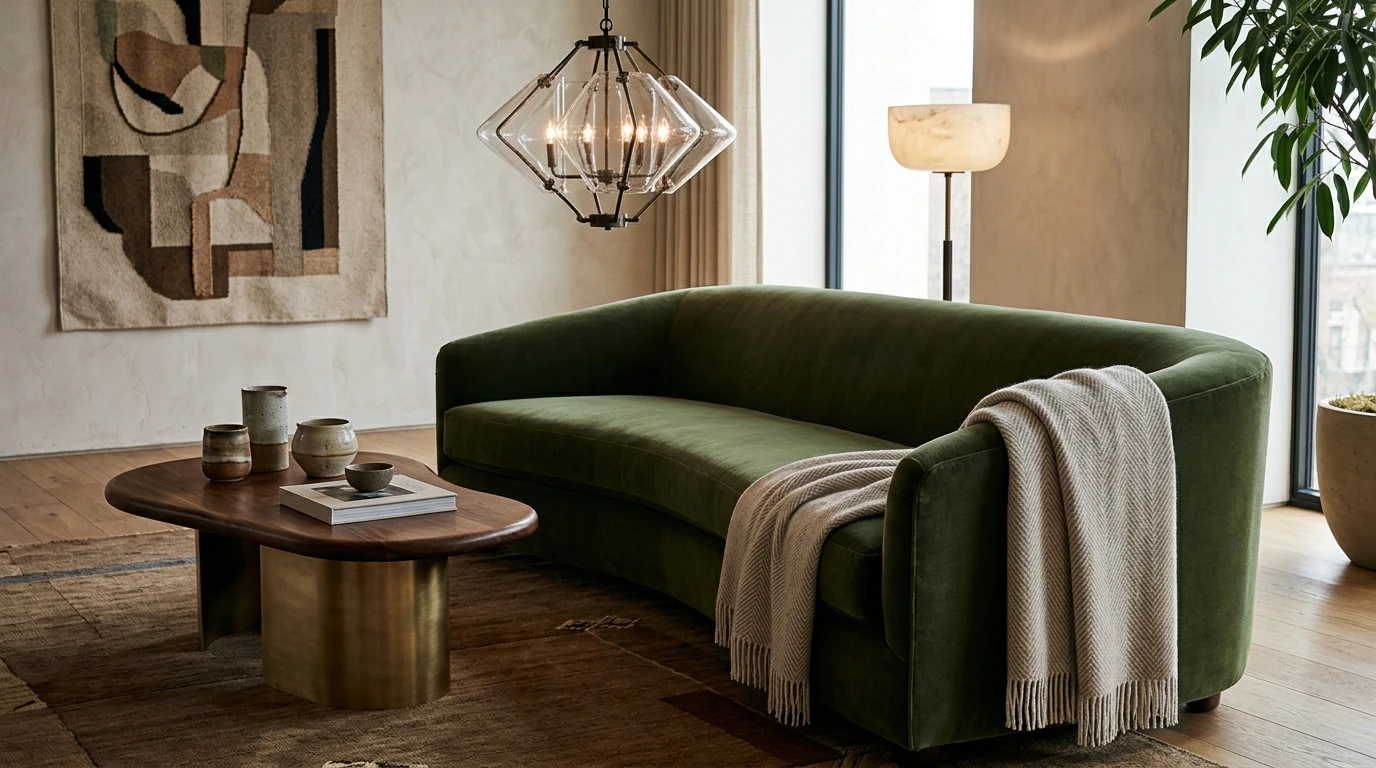
Build a palette with a clear role for each color: a dominant base (walls/large upholstery), supporting tones (casegoods/textiles), and a few accents (pillows, art, objects). Repeating colors in multiple spots keeps the look cohesive.
Layer lighting: ambient (overall), task (reading/cooking), and accent (art and architectural highlights). Use warm, flattering bulbs in living areas and bedrooms, and add dimmers where possible to shift mood throughout the day.
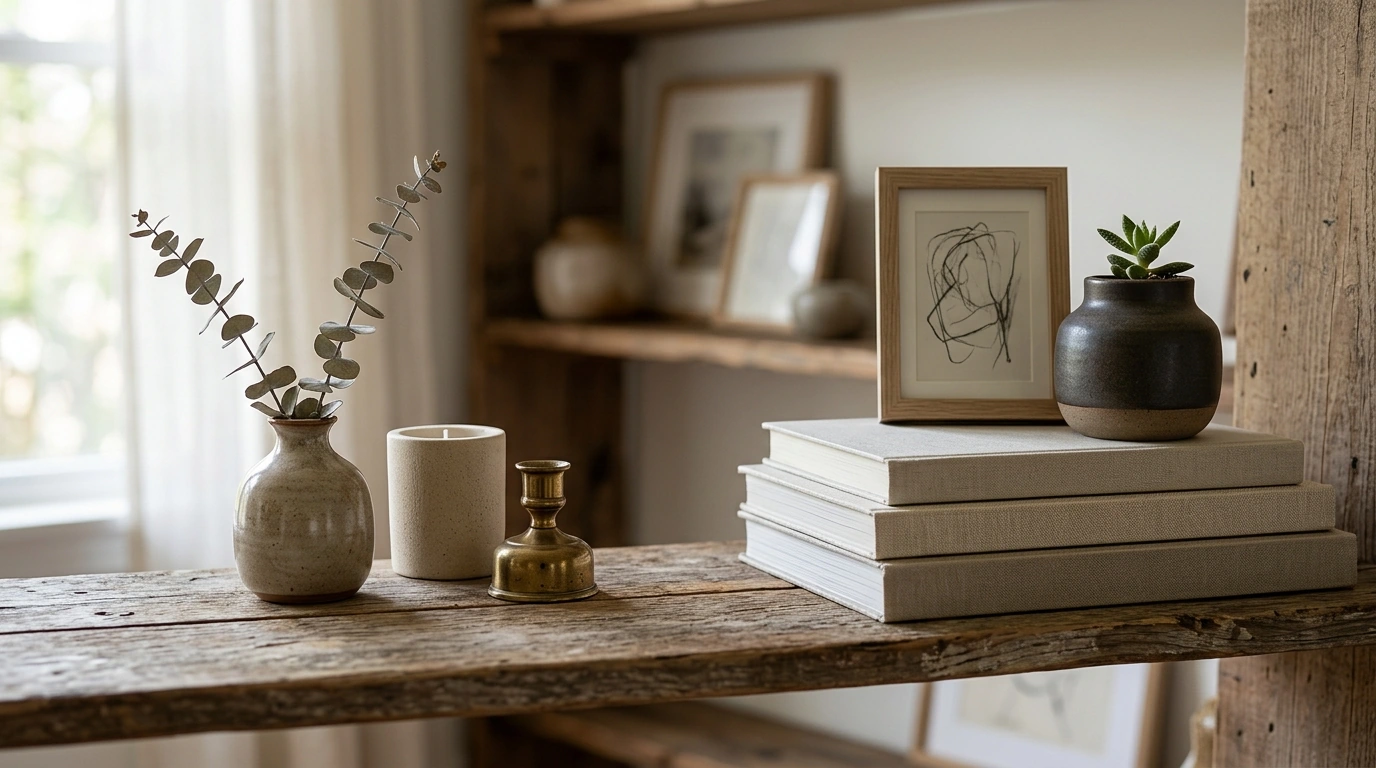
Mix finishes to add depth: matte with glossy, soft with structured, natural with refined. Pairing upholstery, wood, metal, stone, and glass prevents a “flat” look even in a neutral scheme.
Create a focal point (fireplace, statement light, headboard wall, or standout artwork), then echo shapes, tones, or finishes around the room. That repetition guides the eye and makes the design feel finished.
If you want a more detailed, room-by-room approach, our team put together a step-by-step guide here: Luxury Interior Design Checklist: Modern Glam to Minimal.
Pick one room and practice the fundamentals: measure, create a simple layout, define a palette, and build a lighting plan before buying anything. Then refine by editing—remove what doesn’t support your focal point, and repeat a few finishes throughout for cohesion.



Leave a comment