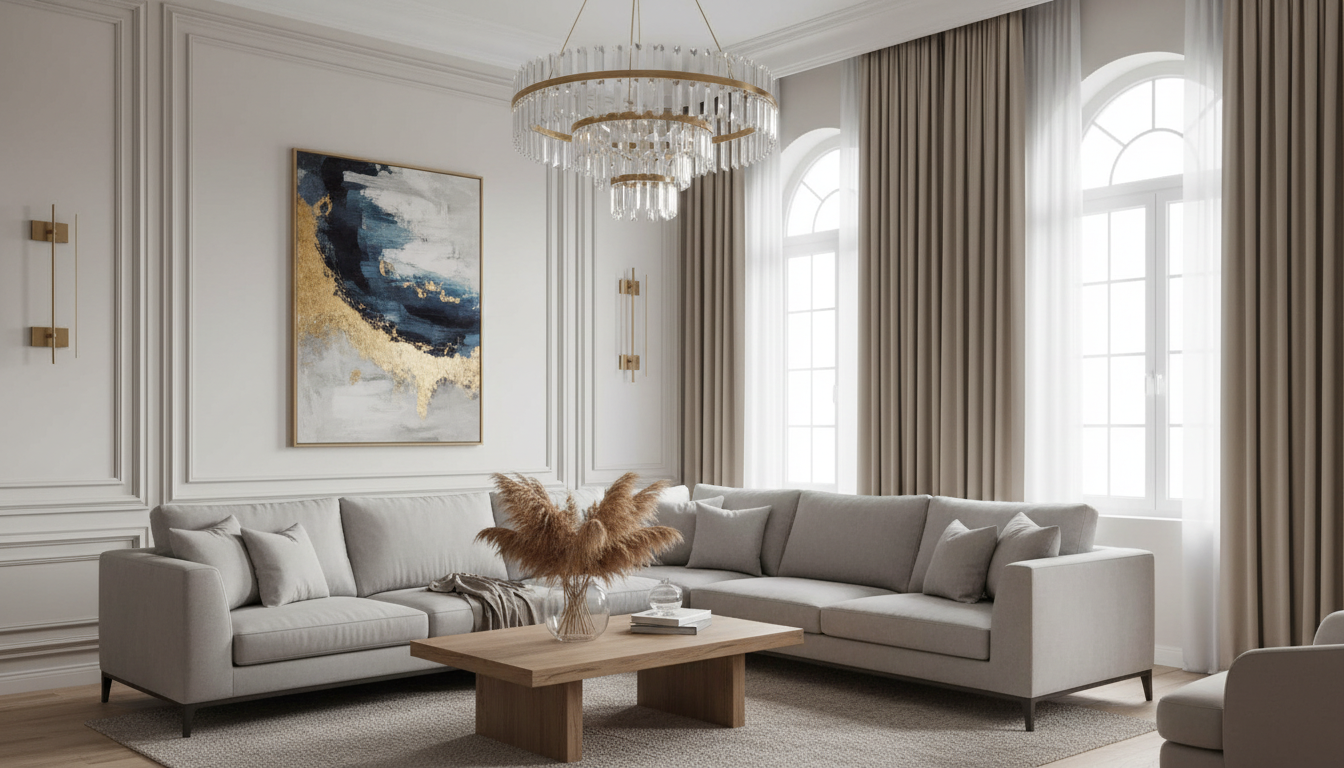
The seven core concepts of interior design are balance, rhythm, emphasis, proportion & scale, harmony, contrast, and details. When our team designs a room—whether you’re aiming for modern glam, warm minimal, or a classic luxury look—these concepts act like a checklist that keeps every decision intentional, from the layout to the final accessories.
Balance is how visual “weight” is distributed. You can create it symmetrically (matching nightstands), asymmetrically (different pieces with similar visual impact), or radially (arranged around a focal point like a round table).
Rhythm guides your eye through the space. Repetition (matching metals), progression (small-to-large decor), and transition (curves that lead you around the room) help a space feel cohesive instead of scattered.
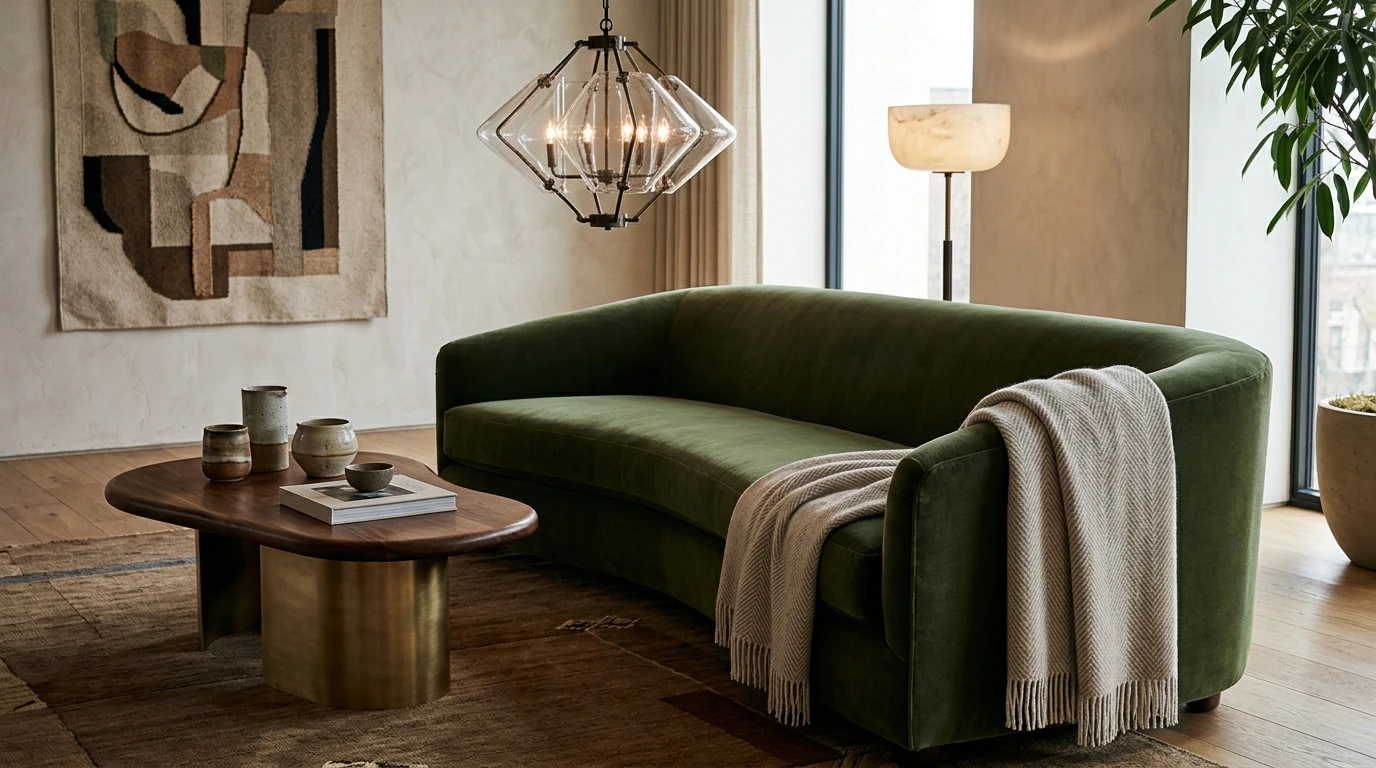
Emphasis is your focal point: a statement chandelier, a sculptural sofa, a fireplace wall, or a dramatic piece of art. Once you choose it, surrounding choices should support it rather than compete.
Scale is how large an item feels in the room; proportion is how parts relate to each other. A common win: pairing a substantial area rug with appropriately sized seating so furniture doesn’t look like it’s “floating.”
Harmony makes the room read as one story. Consistent undertones (warm vs. cool), repeating shapes, and a tight material palette (wood, stone, metal, textile) help everything feel connected.
Contrast adds energy: matte next to glossy, curved next to angular, light next to dark. Used deliberately, it keeps a luxe space from feeling flat or overly “matchy.”
Details are the finish line—hardware, trim, edging, stitching, styling, and lighting temperature. If you want a practical way to apply these concepts room-by-room, use our luxury design checklist here: https://classicalle.com/guide-luxury-interior-design-checklist-modern-glam-to-minimal/.
The seven basic principles are balance, rhythm, emphasis, proportion, scale, harmony, and contrast. Together, they help you plan a space that looks intentional and feels comfortable to live in.
Commonly cited types include modern, contemporary, traditional, transitional, minimalist, industrial, and bohemian. Many homes blend types, so choosing one “anchor” style and a few accents usually looks most polished.
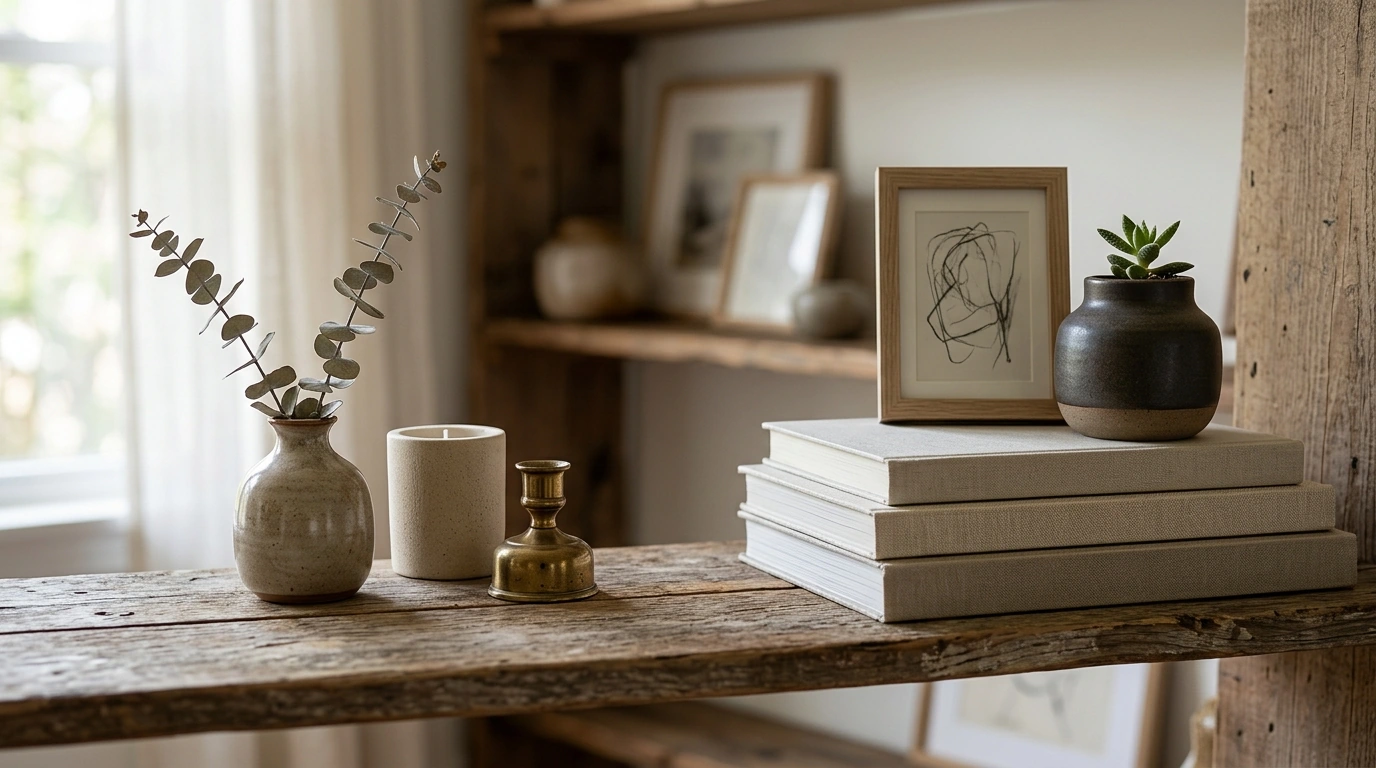
The 3-5-7 rule is a simple styling guideline: group decor in odd numbers (3, 5, or 7) to make arrangements feel natural and balanced. It’s often used for coffee tables, shelves, mantels, and gallery groupings.


Leave a comment