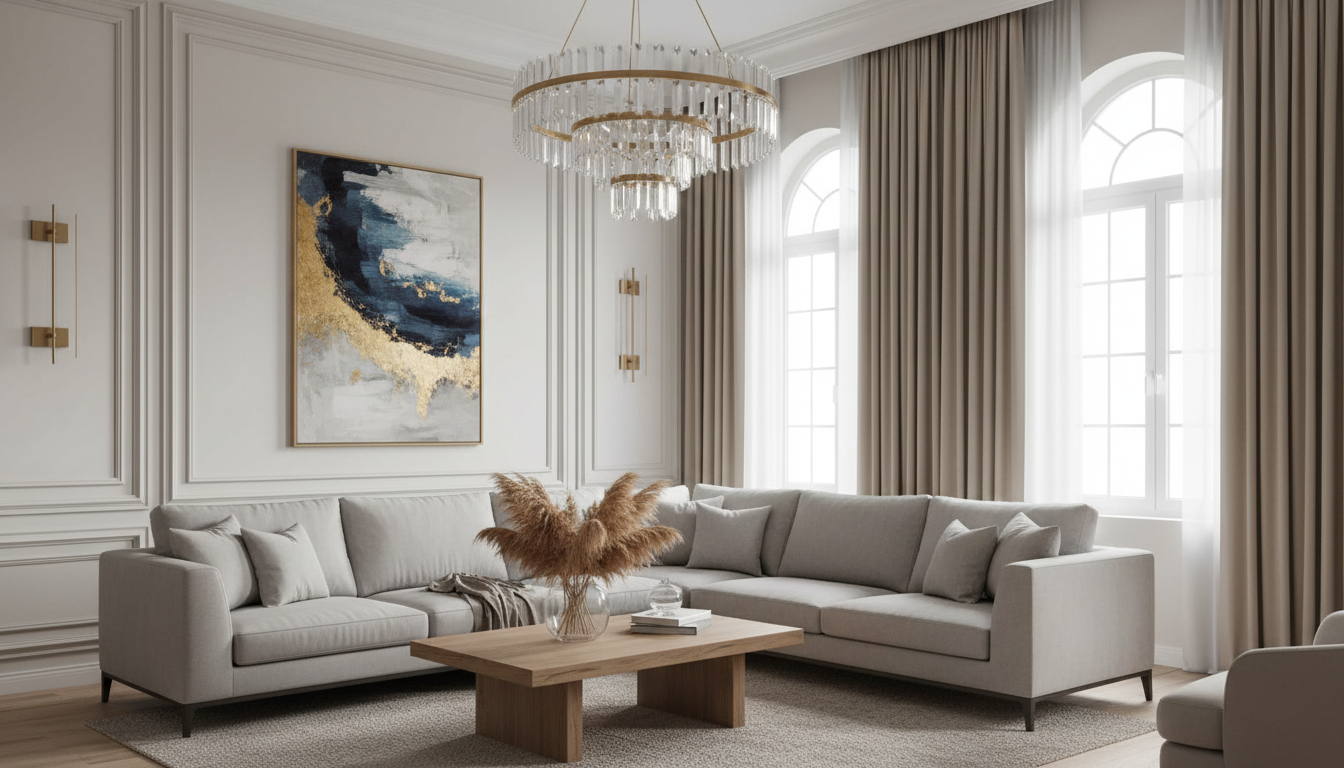
When you’re trying to define a space (or shop for pieces that won’t feel random six months from now), it helps to start with three core interior design styles: Traditional, Modern, and Transitional. Our team uses these as the “big buckets” because most other looks—minimal, glam, coastal, industrial, farmhouse—tend to lean toward one of these foundations or blend between them.
Traditional style is rooted in classic architecture and timeless furnishings. You’ll usually see more symmetry, richer wood tones, curved silhouettes, and layered textiles. To shop with confidence, prioritize well-made anchor pieces—like a substantial sofa, classic casegoods, and tailored lighting—then add warmth with rugs, drapery, and decorative accents that feel collected rather than trendy.
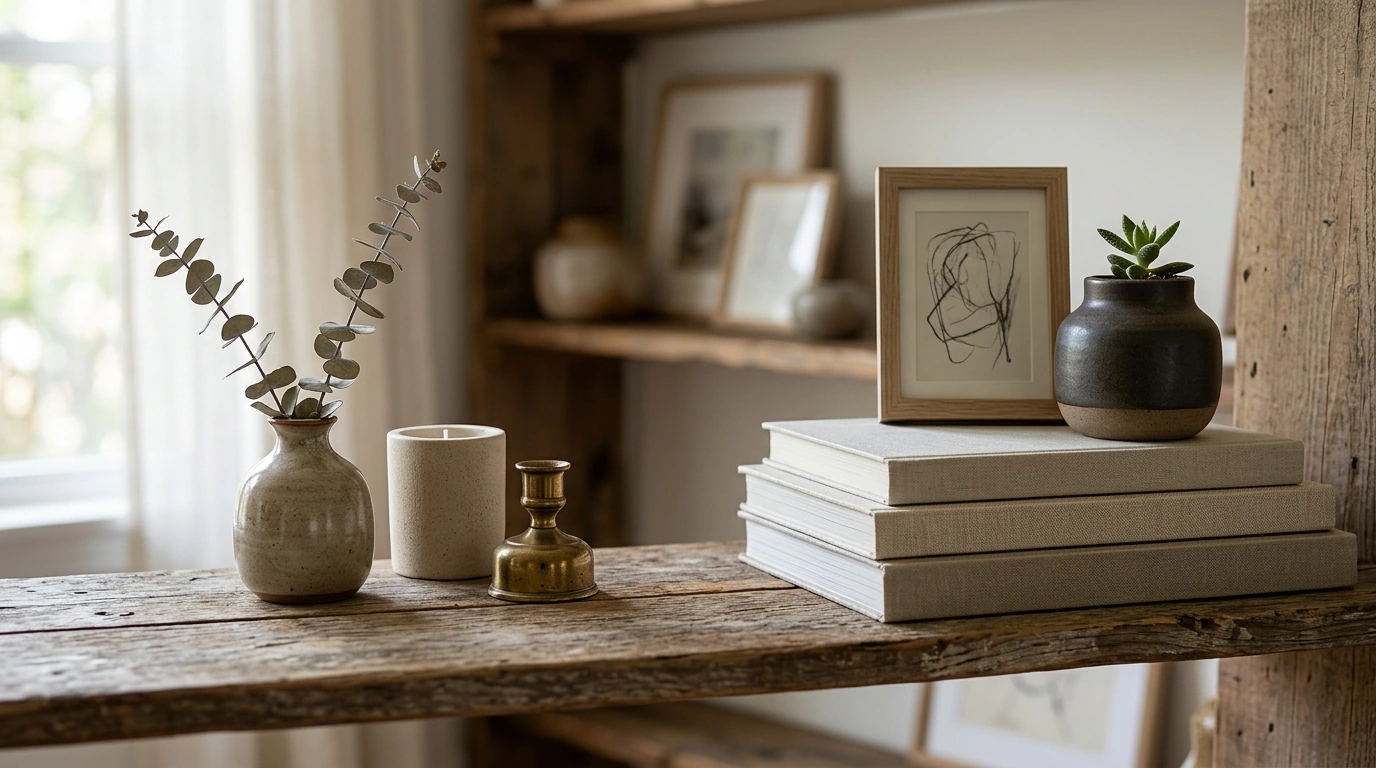
Modern style is defined by clean lines, simplified forms, and a “less but better” approach. Think streamlined seating, uncluttered surfaces, and a neutral base that lets materials do the talking—stone, glass, metal, and smooth woods. If you want modern to feel inviting (not stark), our team recommends adding texture: a plush rug, boucle or linen upholstery, and layered lighting that softens the room at night.
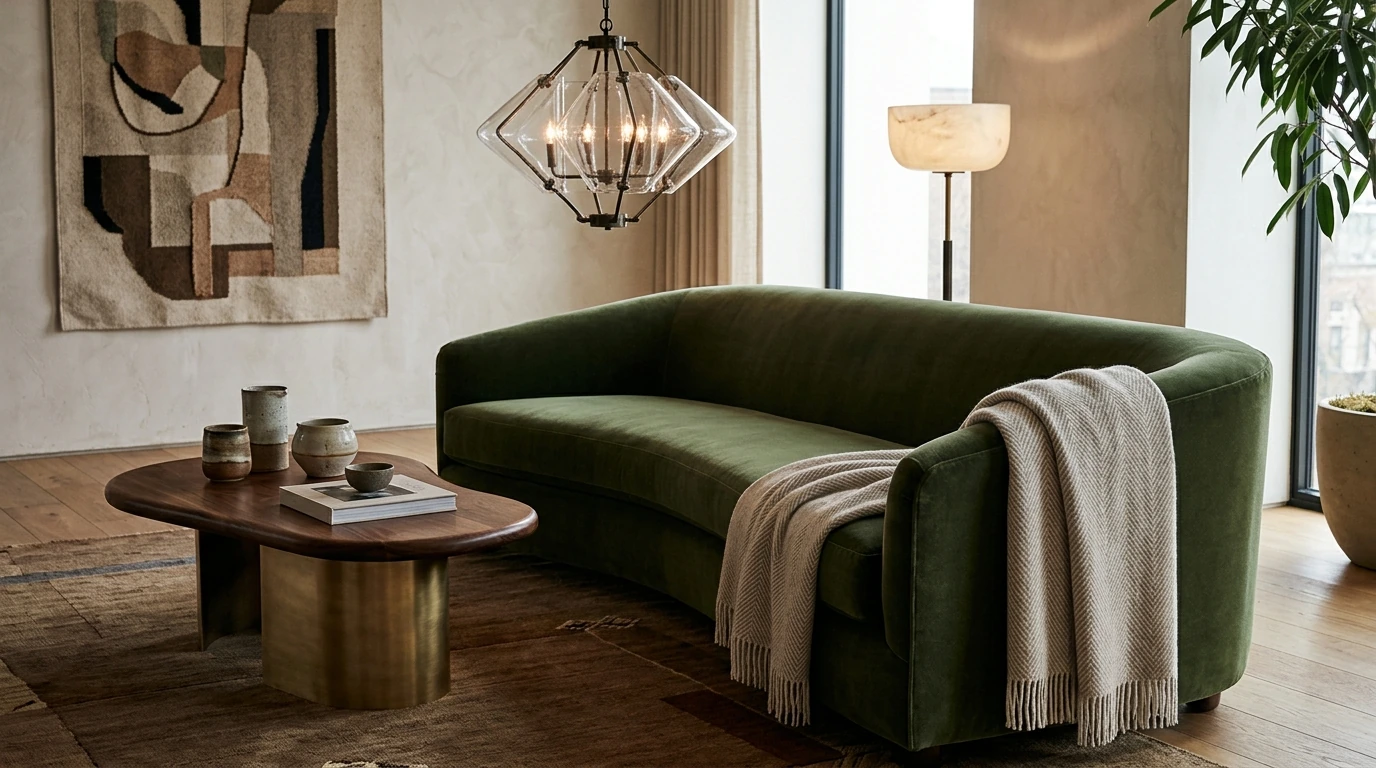
Transitional style blends the comfort and familiarity of traditional design with the crispness of modern. It’s a go-to choice when you want your home to feel current without committing to an ultra-minimal look. The easiest way to build transitional balance is to mix one “classic” curve (like a rounded chair or traditional rug pattern) with one “modern” straight line (like a simplified coffee table or clean-lined sofa), keeping the color palette cohesive.
If you’re aiming for a more elevated finish—like modern glam, refined minimal, or luxury layering—use our checklist as your next step: https://classicalle.com/guide-luxury-interior-design-checklist-modern-glam-to-minimal/.
Start with what can’t easily change (architecture, flooring, large windows), then pick one core style to guide your biggest purchases. Build a simple palette and repeat a few materials across the room so new pieces automatically look intentional.


Leave a comment